Ankit Jain, Author at PAC® Pallet | Fly Ash Brick Pallet | Pallet For Bricks, Block & Paver - Page 3 of 13

Ankit Jain

Ankit Jain, Director of Rajratan Industries and a third-generation entrepreneur, leads the company’s focus on sustainable manufacturing and material innovation. With nearly twenty years of expertise, he explores the circular economy and resource-efficient manufacturing, offering practical insights for India’s infrastructure development.

The Ultimate Pallet Guide for Apollo & Neptune Block Making Machines

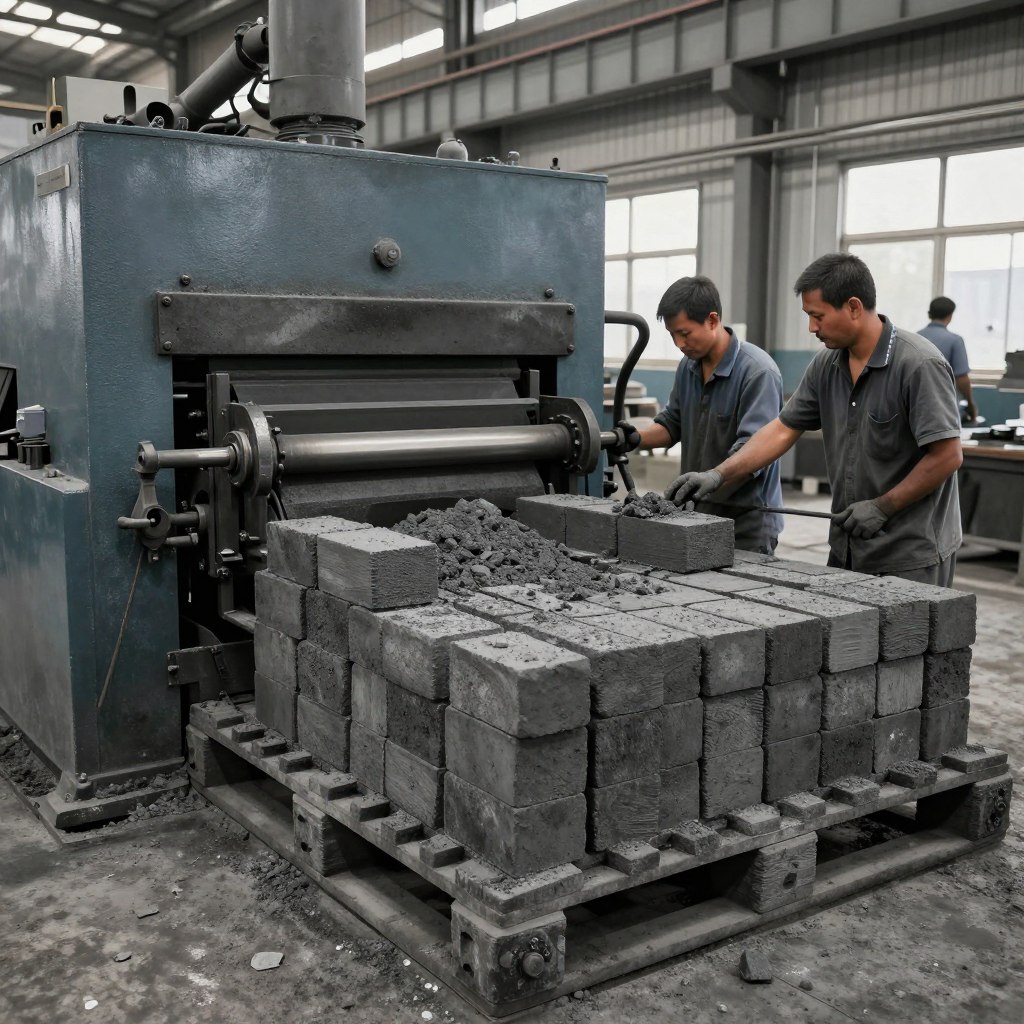
Fly Ash Brick Manufacturing Process | PAC® Pallets

India produces over 200 million fly-ash bricks annually, making it one of the world’s largest manufacturers of this sustainable building material. Fly-ash brick production combines industrial precision, material engineering, and innovative equipment design to deliver cost-effective, durable construction units at scale. The Fly-Ash Brick Manufacturing Process: Step-by-Step Guide Modern fly-ash brick production follows a systematic, …

Fly Ash Brick Manufacturing Process | PAC® Pallets Read More »
Complete Guide with Calculator & Pallet Compatibility

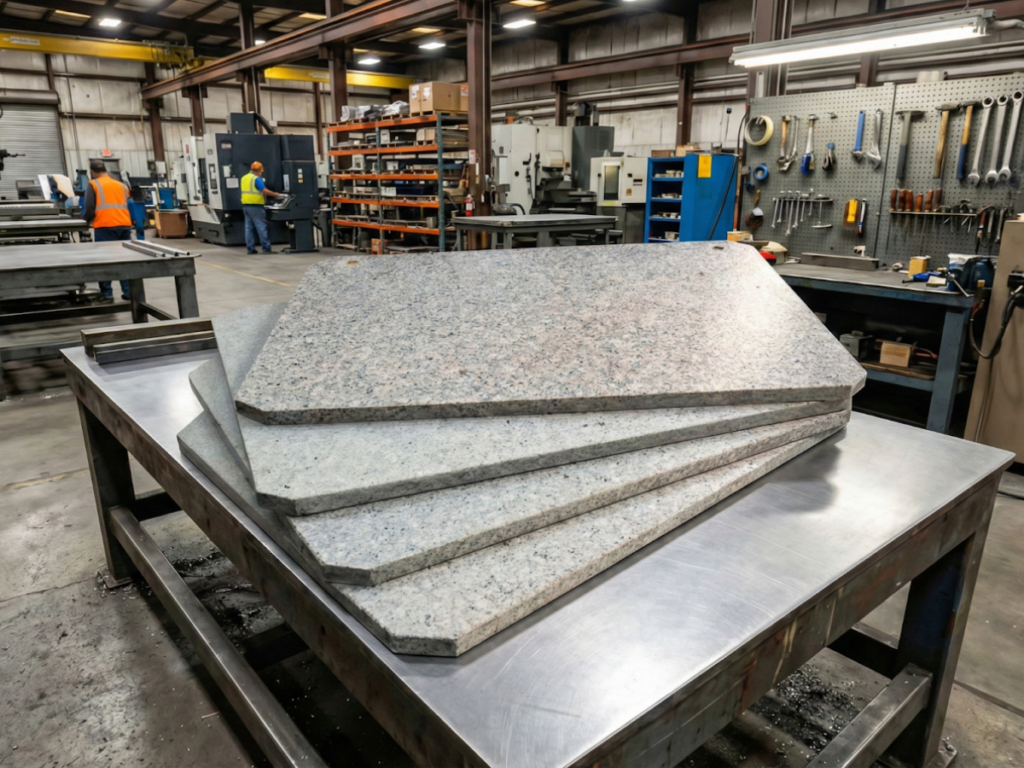
Weight of Brick in Kg: Complete Guide with Calculator & Pallet Compatibility

The weight of a standard brick in India ranges from 3.5 kg to 4.5 kg for clay bricks, 4.0 kg to 5.5 kg for fly-ash bricks, and 5.0 kg to 7.0 kg for concrete bricks. The exact weight depends on the brick type, material composition, moisture content, and manufacturing process. This comprehensive guide answers your …

Weight of Brick in Kg: Complete Guide with Calculator & Pallet Compatibility Read More »

PAC Pallets and SHuttering Board

Industrial Pallets for Fly-Ash Brick & Block Manufacturing

Engineered PAC® Pallets built for unbreakable performance under extreme vibro-compaction. 100+ reuse cycles. Zero waste. Built to last. Stop Losing Margins to Broken Pallets Wooden pallets crack under industrial vibration. PVC pallets fail after 10–15 cycles. Your production line stops. Margins bleed. Rajratan PAC® Pallets are engineered from reinforced industrial-grade recycled plastic—the only pallet system …

Industrial Pallets for Fly-Ash Brick & Block Manufacturing Read More »

What Plant Engineers Know About Pallets That Buyers Often Miss?

What Plant Engineers Know About Pallets That Buyers Often Miss?

At most sites, pallets are treated like bulk material. Get the cheapest, replace when damaged, move on. But in a high-output plant — producing concrete blocks, pavers, or tiles — pallets aren’t just platforms. They’re part of the production system. And that’s exactly how plant engineers see them. 1. Load-Bearing Is Not Optional Every board …

What Plant Engineers Know About Pallets That Buyers Often Miss? Read More »

How Vibration Affects Brick Quality — And Why Choosing the Right Pallet Matters.

In brick and block manufacturing, vibration is often treated as a machine setting: adjust the frequency, increase the time, and move on. But vibration is not just a parameter it is a process force that directly shapes density, strength, surface finish, and long-term durability of the final product. What’s less discussed is how vibration is …

How Vibration Affects Brick Quality — And Why Choosing the Right Pallet Matters. Read More »

How PAC® Paver Board Quality Shapes Surface Finish, Dimensional Accuracy and Rejection Rates

In paver and block manufacturing, quality control does not end when the product leaves the mould. In fact, some of the most critical quality losses occur after demoulding, during stacking, curing and handling. At this stage, the paver board becomes the foundation supporting the product through its most fragile phase. And the quality of that …

How PAC® Paver Board Quality Shapes Surface Finish, Dimensional Accuracy and Rejection Rates Read More »

3-Year Low-Cost Pallets vs 10-Year PAC® Industrial Pallets: Performance Differences in Brick, Block & Paver Plants in India

In India’s brick, block, and paver manufacturing sector, pallets are rarely discussed in boardrooms. They are bought quickly, used hard, and replaced quietly. Yet, across hundreds of plants, the difference between a pallet that lasts three years and one that performs for ten years or more is shaping productivity, quality consistency, and long-term operating cost. …

3-Year Low-Cost Pallets vs 10-Year PAC® Industrial Pallets: Performance Differences in Brick, Block & Paver Plants in India Read More »