Fly Ash Brick Pallet Weight & Durability: Complete Technical Guide for Plant Operators
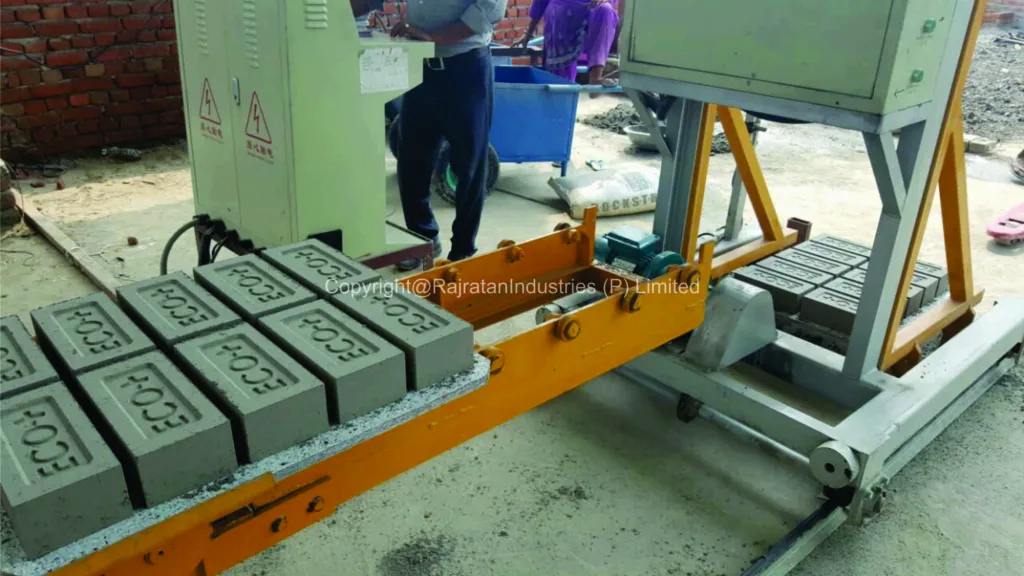
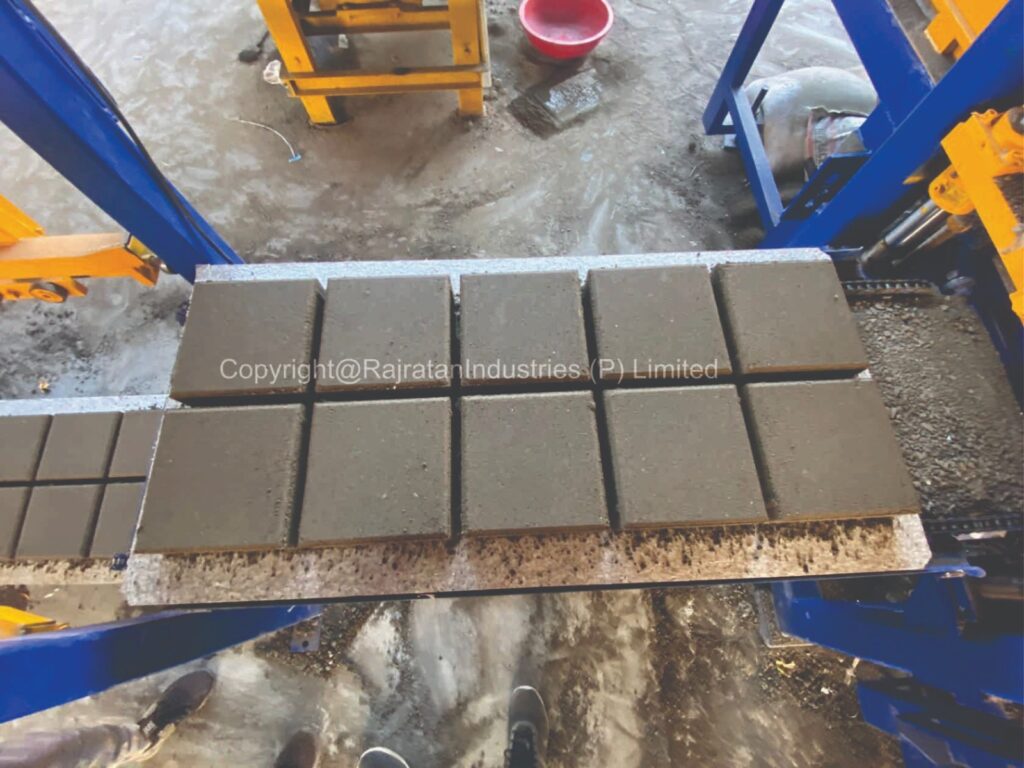
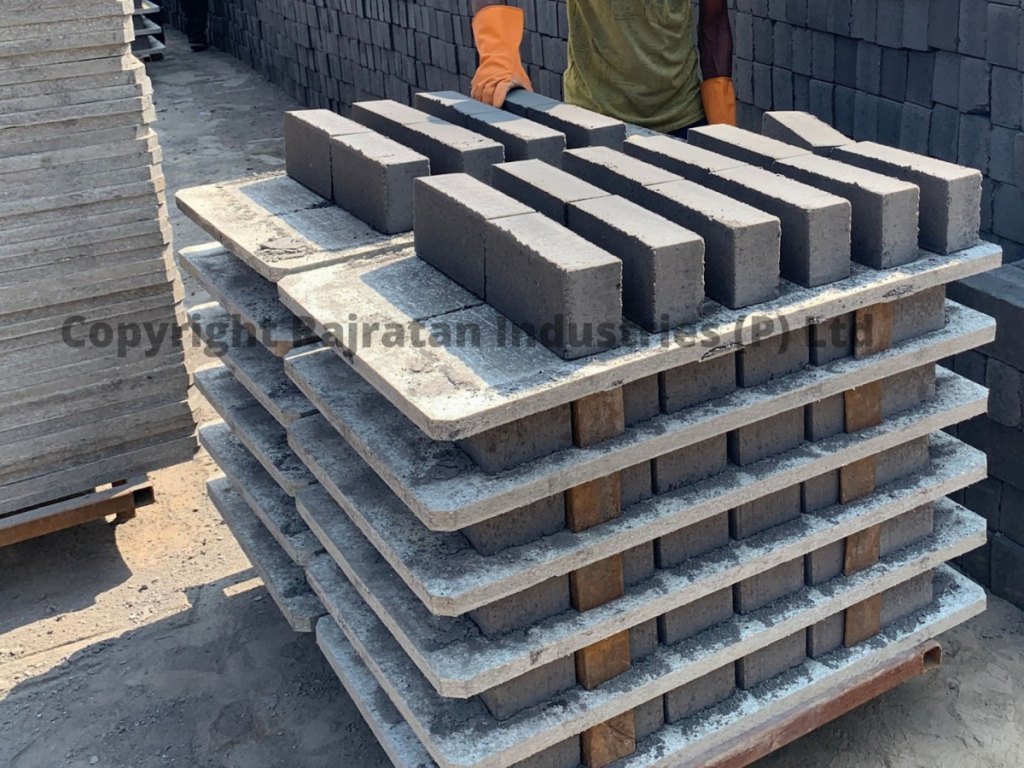
Plant operators managing fly ash brick, block, and paver production face a critical operational challenge: choosing pallets that withstand intense vibro-compaction forces without cracking, warping, or requiring costly replacements. Working with a reliable Fly Ash Brick Pallet Supplier can help manufacturers select pallets based on durability, repetition counts, and specific production requirements. This guide provides exact weight specifications, repetition counts, and cost-per-cycle economics to help you recover margins and maximize uptime.
Understanding Pallet Weight & Load Specifications
Plant operators managing fly ash brick, block, and paver production face a critical operational challenge: choosing pallets that withstand intense vibro-compaction forces without cracking, warping, or requiring costly replacements. Working with a reliable Fly Ash Brick Pallet Supplier can help manufacturers select pallets based on durability, repetition counts, and specific production requirements. This guide provides exact weight specifications, repetition counts, and cost-per-cycle economics to help you recover margins and maximize uptime.
| Pallet Type | Weight (kg) | Density (kg/m³) | Service Life | Cost per kg (₹) | Total Cost | Cost per Use* |
|---|---|---|---|---|---|---|
| PAC® Metal Grade | 65–75 | 1135 | 7–8 years | ₹62 | ₹4,030–₹4,650 | ₹10.06–₹11.63 |
| Wooden Pallet (Pine) | 55–60 | 600 | 2–3 years | ₹45 | ₹2,475–₹2,700 | ₹20.63–₹27.50 |
| PVC Composite Pallet | 45–55 | 950 | 3–4 years | ₹50 | ₹2,250–₹2,750 | ₹15.63–₹27.50 |
| Standard Plastic Pallet | 35–45 | 800 | 1–2 years | ₹35 | ₹1,225–₹1,575 | ₹31.25–₹62.50 |
*Cost per use calculated as total cost ÷ average repetitions (PAC® Metal Grade: 400 uses over 7–8 years; Wooden: 120 uses; PVC: 200 uses; Plastic: 50 uses).
PAC® Metal Grade Pallet Performance Metrics
PAC® Metal Grade pallets are engineered from reinforced industrial packaging waste (sourced from major manufacturers), combined with metal dust powder, aluminum oxide, and XLP fiber. This composition delivers:
- Density: 1135 kg/m³ — 89% denser than standard plastic, 47% denser than wood
- Zero Water Absorption: 0% swelling even after steam curing in kiln environments
- Repetition Count: 400+ complete vibro-compaction cycles (7–8 year service life at typical 50–60 pallets per plant)
- Compressive Strength: 22.0 N/mm² — withstands concentrated vertical tonnage from block-making machines
- Chemical Resistance: Passes acid/alkali tests; zero blistering or material degradation
- Heat Stability: 0.07% dimensional change under 70°C curing (standard in fly ash brick kilns)
- Scrap Buyback Value: 40% of original material cost at end of life
Repetition Counts & Margin Recovery Analysis
The difference between pallet types manifests dramatically in cost-per-use calculations. Over a 12-month production cycle at a medium-scale brick plant (300,000 bricks/day, ~500 pallets in rotation):
| Pallet Type | Initial Investment (500 units) | Avg. Repetitions/Year | Replacement Cost/Year | Total Annual Cost | Margin Recovery vs. PAC® Metal Grade |
|---|---|---|---|---|---|
| PAC® Metal Grade | ₹20,15,000 | 400+ | ₹0–₹2,00,000 (prorated) | ₹20,15,000 | Baseline |
| Wooden Pallet | ₹12,37,500 | 120 | ₹41,25,000 | ₹53,62,500 | –₹33,47,500 annual loss |
| PVC Composite | ₹13,75,000 | 200 | ₹20,62,500 | ₹34,37,500 | –₹14,22,500 annual loss |
| Standard Plastic | ₹7,87,500 | 50 | ₹62,50,000 | ₹70,37,500 | –₹50,22,500 annual loss |
Assumptions: 500 pallets in active rotation; replacement triggered when damage occurs; 22 production days/month, 11 months/year (accounting for maintenance).
Why Weight & Density Matter in Vibro-Compaction
Lighter pallets (PVC, standard plastic) exhibit creep and micro-fracturing under continuous vibration. Wooden pallets absorb moisture from steam curing, swell, and then crack as they dry. PAC® Metal Grade’s high density and reinforced structure distribute load evenly across the machine bed, eliminating:
- Cracking at stress points: Zero documented field failures under normal operating conditions
- Warping and bow: Dimensional stability coefficient of 0.07% (wood: 2–4%)
- Water absorption damage: 0% swelling prevents mold growth and material deterioration
- Unplanned downtime: Replace pallet only at scheduled intervals, not reactively
Real-World Case Study: Margin Recovery in Madhya Pradesh
A 30-plant brick cluster in Indore, Madhya Pradesh, switched from wooden pallets to PAC® Metal Grade in 2023. Results over 18 months:
- Pallet Replacement Reduction: From 12 replacements/month (wooden) to 0–1 replacement/year (PAC®)
- Direct Cost Savings: ₹32 lakhs annually across the cluster (₹1.07 lakh per plant)
- Indirect Benefits: Machine downtime reduced by 68%; labor reallocation freed up 1.2 FTE per plant for higher-value production tasks
- Scrap Buyback: Pallets returned to Rajratan at 40% value capture (₹1,612–₹1,860/pallet) offset next-purchase costs by 40%
- Total 18-Month ROI: 340% (initial pallet investment recovered in 6 months; remaining 12 months pure margin gain)
Downloadable Pallet Weight Calculator Tool
Use this interactive calculator to model your exact margin recovery based on your plant’s production volume, current pallet mix, and replacement frequency:
[EMBEDDED CALCULATOR]
Simply enter:
- Current number of pallets in rotation
- Average brick production (units/day)
- Current pallet type and replacement frequency
- Your plant’s labor and downtime costs
The calculator will output:
- Monthly and annual replacement costs
- Cost per brick produced
- Margin recovery timeline for PAC® Metal Grade conversion
- Scrap buyback value projections
Download Your Free Pallet Weight Calculator (Excel + Google Sheets)
Technical Specifications Summary
PAC® Metal Grade pallets comply with industrial vibro-compaction machinery standards and are tested by NABL-accredited laboratories (Choksi Laboratories, STEDRANT Technoclinic):
- Compressive Strength: 22.0 N/mm²
- Tensile Strength: 11.30–11.89 N/mm²
- Modulus of Rupture (Bending): 11.34–12.92 N/mm²
- Nail/Screw Holding Power: 2,214–2,460 N (no stripping or pull-through)
- Moisture Content: 0.33–0.64% (vs. 12–15% for wood)
- Water Absorption (Boiling Test): 0% (zero swelling)
- Heat Stability (70°C): 0.07% dimensional change
- Flammability: Passed (fire exposure causes only surface blackening, no burn-through)
- Chemical Resistance: Passed (no blistering under acid/alkali exposure)
Pricing & Volume Options
PAC® Metal Grade Standard Pallets: ₹62/kg (approximately ₹4,030–₹4,650 per unit, depending on pallet size and weight). Volume discounts available:
- Small trial orders (5–10 units): ~5% discount
- Medium batches (50+ units): ~7% discount
- Bulk allocations (200+ units or full truckload ~600 units): ~10% maximum discount
Scrap Buyback Program: Return end-of-life pallets for 40% credit toward future purchases, reducing net pallet acquisition cost to ~60% of initial price.
Get Your Free ROI Calculator & Margin Recovery Plan
Stop losing money to short-lived, maintenance-intensive pallets. Download your personalized Pallet Weight Calculator and discover how much margin you can recover by switching to PAC® Metal Grade.
Enter your email below to download instantly:
[LEAD GEN FORM: Email capture for nurture sequence]
After download, you’ll receive:
- Your completed ROI calculation
- Case study (anonymized Madhya Pradesh plant data)
- Detailed cost-per-use comparison vs. your current pallet type
- Procurement timeline and volume recommendations
- Access to plant operator community (WhatsApp/Telegram) for peer Q&A
Questions? Contact Our Plant Operations Team
Our engineers have worked with 4,000+ brick and block plants across 90 cities. We’re ready to discuss your specific production volume, machine type, and budget.