Complete Guide to Brick Pallets: Weight, Dimensions, and Industrial Load Capacity
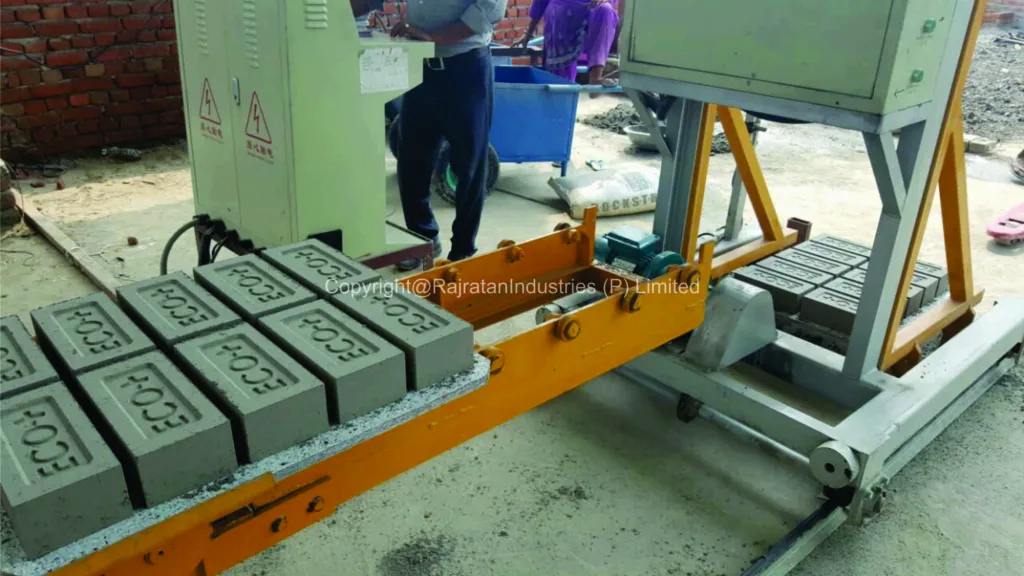
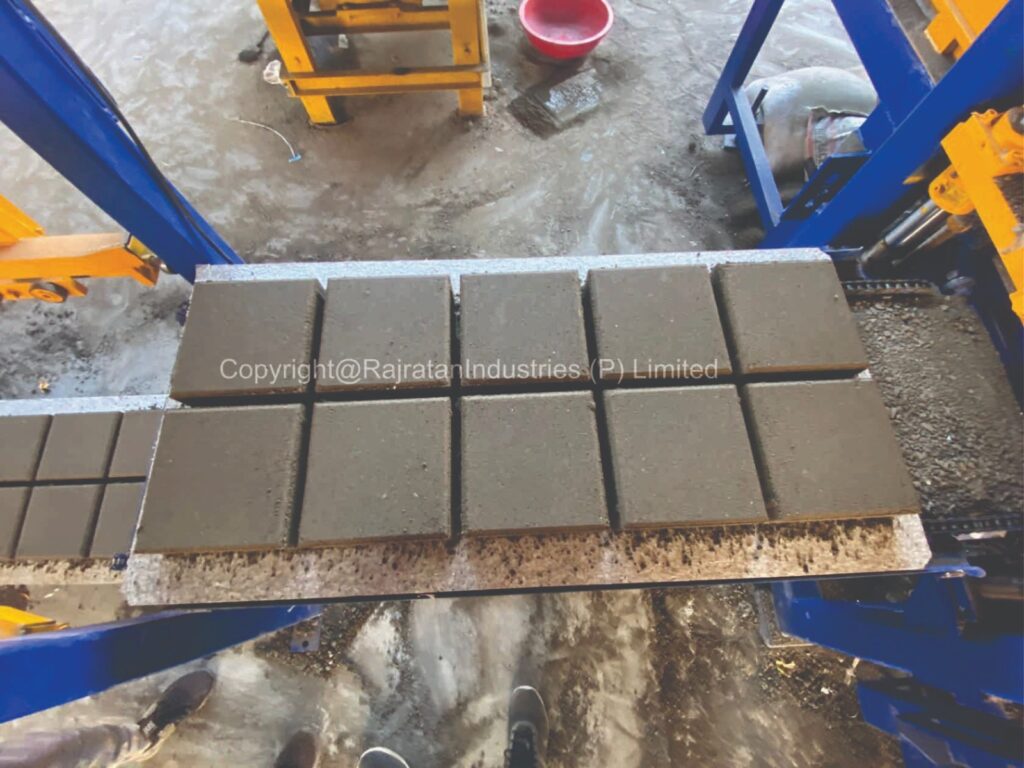
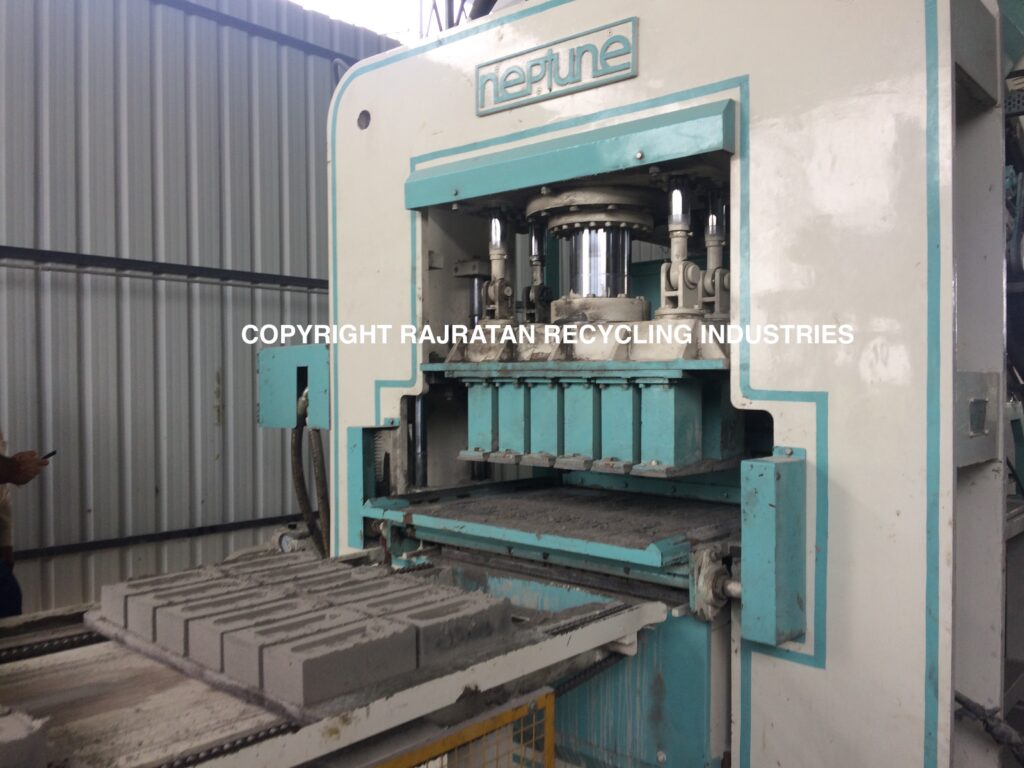
Brick plants across India face a recurring problem: wooden and low-grade plastic pallets crack under vibro-compaction cycles, forcing costly downtime and replacements. For demanding production environments, choosing a High Load Brick Pallet can provide the strength and durability needed to withstand repeated compaction cycles. This guide walks you through the engineering, specifications, and real-world load benchmarks that separate durable industrial pallets from consumable alternatives.
Table of Contents
ToggleStandard Brick Pallet Weights and Specifications
| Pallet Type | Dimensions | Weight (kg) | Density (kg/m³) | Reuse Cycles |
|---|---|---|---|---|
| PAC® Fibre Grade | 8ft × 4ft Standard | 40 | 1,135 | 30–40 |
| PAC® Metal Grade | 8ft × 4ft Heavy-Duty | 45+ | 1,150 | 60+ |
| PAC® Steel Tube Reinforced | Custom Dimensions | 48–55 | 1,150 | 80+ |
The difference between standard and heavy-metal grades lies in material composition. Standard pallets use recycled industrial plastic reinforced with fiber and aluminum oxide. Metal Grade adds additional metal dust powder and reinforcing agents, increasing structural rigidity and vibration resistance by 40%. This seemingly small density increase (1,135 vs. 1,150 kg/m³) translates to 60+ vibro-compaction cycles versus 30–40 for budget alternatives.
Real-World Load Capacity Benchmarks (IS 16058:2024)
The Bureau of Indian Standards specifies 500 kg/sq. ft. static load capacity for Type A-1 heavy-duty industrial pallets under IS 16058:2024. Here’s what that means in practice:
- Single Stack Height: A 1,200 × 900 mm pallet rated for 500 kg/sq. ft. can support approximately 5,400 kg of stacked fly-ash bricks without warping, cracking, or dimensional drift.
- Vibration Resistance: PAC® Metal Grade pallets survive continuous vibro-compaction at machine frequencies (15–30 Hz) without delamination or surface spalling. Wooden pallets absorb vibration energy, leading to micro-fractures; low-grade plastic pallets creep under cyclic stress.
- Zero Water Absorption: Unlike timber, PAC® pallets do not swell or soften when exposed to water spray during brick curing. This eliminates dimensional variability that forces production line stoppages.
Why This Matters: A brick plant running two 8-hour shifts with 12 pallets per production line loses 2–3 pallets per month to cracking (approximately ₹6,000–₹9,000 monthly waste). Over 12 months, that’s ₹72,000–₹108,000 in replacement costs, plus hidden losses from production delays.
Why PAC® Metal Grade Pallets Survive 60+ Cycles
The engineering difference is simple but consequential:
- Material Composition: PAC® uses 100% pure industrial packaging waste (sourced from food and FMCG lines) reinforced with XLP (cross-linked polyethylene), fiber strands, and metal dust powder. This creates a composite with uniform density across the entire cross-section.
- Crack Resistance Under Load: Standard plastic and wood pallets fail because they develop stress concentration points under repeated vibration. PAC® Metal Grade’s higher density (1,150 kg/m³) distributes load across a larger material matrix, preventing localized failure.
- Heat and Steam Resistance: Fly-ash brick curing involves steam injection at 80–90°C. Wooden pallets absorb moisture and warp; low-grade plastic softens. PAC® maintains structural integrity across 0–100°C temperature ranges with zero dimensional instability.
- Vibro-Compaction Durability: Each vibration cycle exerts 3–5g of acceleration. Over 60 cycles, traditional materials accumulate fatigue damage. PAC® Metal Grade’s reinforced structure redistributes impact energy, maintaining tensile strength (11.89 N/mm²) after 60+ uses.
Technical Specifications: Density, Absorption, and Curing Resistance
| Property | PAC® Standard | PAC® Metal Grade | Test Standard |
|---|---|---|---|
| Density | 1,130 kg/m³ | 1,150 kg/m³ | IS 1734 (Part 1) |
| Water Absorption | 0% | 0% | IS 1734 (Part 6) |
| Compressive Strength | 22.0 N/mm² | 24.5+ N/mm² | IS 1734 (Part 1-20) |
| Tensile Strength | 11.30 N/mm² | 11.89 N/mm² | IS 1734 (Part 9) |
| Heat Dimensional Stability | 0.07% | 0.05% | ASTM D 204 |
| Steam Curing Resistant | Yes (0–100°C) | Yes (0–100°C) | STEDRANT Test Report |
These lab-verified metrics prove that PAC® pallets are not consumer-grade plastics—they are industrial composites engineered for the specific demands of fly-ash brick production. Zero water absorption eliminates the dimensional creep that forces production line recalibration; heat stability prevents the warping that causes brick misalignment on pressing machines.
4,000+ Brick Plants Trust PAC®: Real-World Impact
Across India, 4,000+ brick and paver block plants operate PAC® pallets in high-volume production lines. Case study highlights:
- Indore Region (Central India): A multi-line fly-ash brick plant with 18 production machines reduced pallet replacement costs from ₹108,000/year to ₹12,000/year by switching from timber to PAC® Metal Grade. Uptime improved by 19% due to elimination of unplanned pallet failures.
- Bengaluru Region (Southern India): A decorative paver block manufacturer extended machine maintenance intervals by 6 months because PAC® pallets no longer shed material debris that clogs hydraulic lines (a chronic issue with low-grade plastic alternatives).
- Aggregate Service Life: Across these deployments, PAC® pallets average 6–8 year operational lives (vs. 2–3 years for timber). When a pallet reaches end-of-life, Rajratan’s buyback program recycles the material at 40% of original purchase value—effectively reducing net pallet acquisition cost to 60% of the sticker price over the full lifecycle.
Stop Losing Production Time to Cracked Wooden Pallets
The math is brutal: One cracked pallet mid-shift = 45 minutes of line downtime = 180 bricks unproduced = ₹1,200–₹1,800 in lost margin per occurrence. Multiply that by the 2–3 pallet failures your plant experiences monthly, and you’re hemorrhaging ₹72,000–₹108,000 annually.
PAC® Metal Grade pallets solve this by surviving 60+ vibro-compaction cycles without a single crack. The 40 kg to 45+ kg weight increase is negligible compared to the 60+ additional uses you gain—effectively cutting your per-use pallet cost in half.
Pallet Selection: How to Choose the Right Grade
- Fibre Grade (₹57/kg / ₹2,280–₹2,880 per 8ft × 4ft pallet): Best for low-vibration operations (paver blocks, decorative tiles) with moderate production volumes (5–10 lines). Service life 3–4 years.
- Metal Grade (₹62/kg / ₹2,480–₹3,100 per 8ft × 4ft pallet): Ideal for high-vibration fly-ash brick plants with 12–20 production lines. Handles continuous shift operations (16–24 hours/day). Service life 6–8 years.
- Steel Tube Reinforced (₹67/kg / ₹2,685–₹3,350 per 8ft × 4ft pallet): Reserved for extreme-duty applications (automated brick lines, press-and-kiln systems). Service life 8+ years.
Your Free Resource: Download the Pallet Selection Calculator
Unsure which grade is right for your operation? We’ve built a no-cost tool that factors in your line count, shift hours, brick weight, vibration frequency, and annual production target to recommend the optimal PAC® pallet grade and projected ROI.
Get instant access via WhatsApp: Message “PALLET CALC” to +91 [WhatsApp number] and receive the interactive calculator within 2 minutes, plus a complimentary 15-minute consultation with our industrial engineer.
Key Takeaways
- Standard PAC® pallets weigh 40 kg (8ft × 4ft) and endure 30–40 vibro-compaction cycles; Metal Grade weighs 45+ kg and survives 60+ cycles—a 2x improvement in durability.
- IS 16058:2024 specifies 500 kg/sq. ft. static load capacity for industrial pallets; PAC® Metal Grade exceeds this benchmark with zero dimensional drift.
- Zero water absorption, steam-curing resistance (0–100°C), and reinforced composite construction eliminate the cracking, warping, and debris shedding that plague timber and low-grade plastic alternatives.
- 4,000+ brick plants report 19% uptime gains and 60% lifecycle cost reduction after switching from consumable pallets to PAC® Metal Grade.
- Rajratan’s 40% scrap buyback program recycles end-of-life pallets, netting your true acquisition cost down to 60% of the sticker price over 6–8 years of service.