Table of Contents
ToggleIntroduction
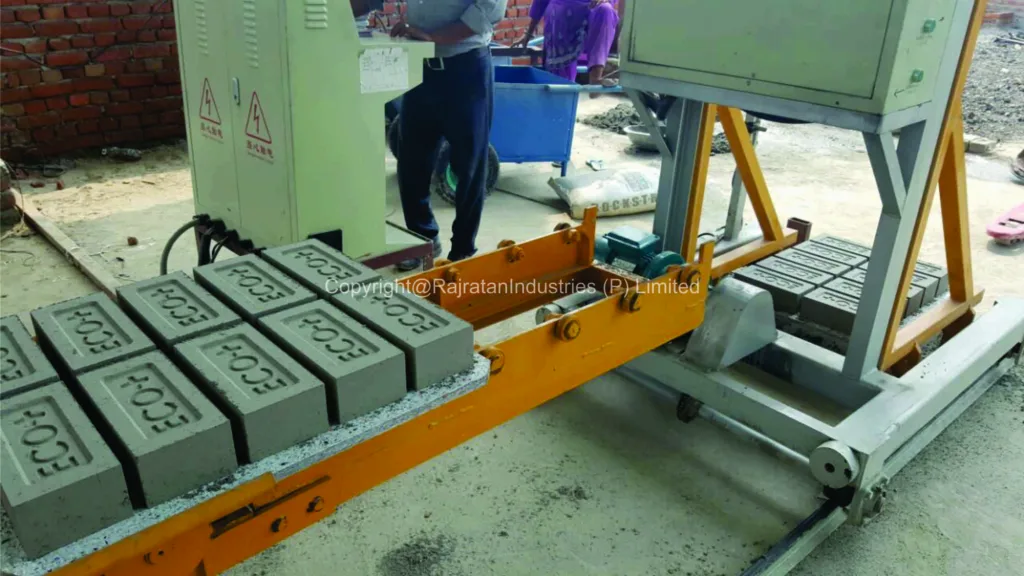
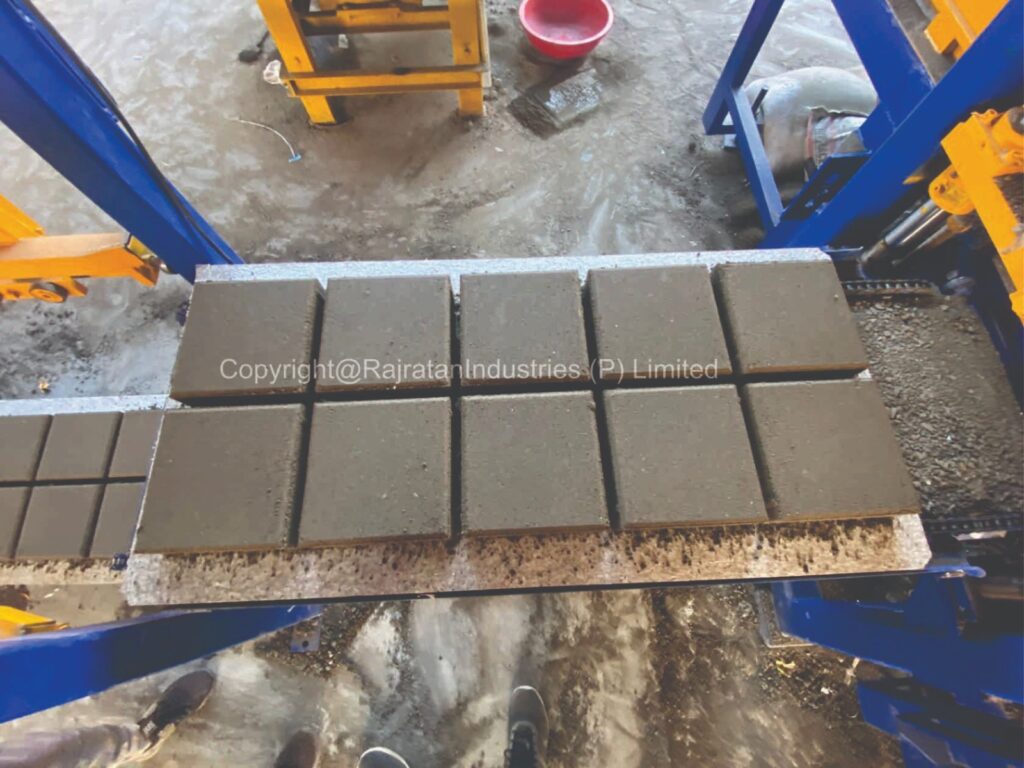
For fly ash brick and concrete block manufacturers, pallets are an essential part of daily production. They are repeatedly exposed to vibration, mechanical pressure, moisture, and frequent handling.
When pallets deteriorate, manufacturers must consider replacement costs, transportation, and the potential impact on production operations. These expenses can add up over time, making the long-term cost of a pallet just as important as its initial purchase price.
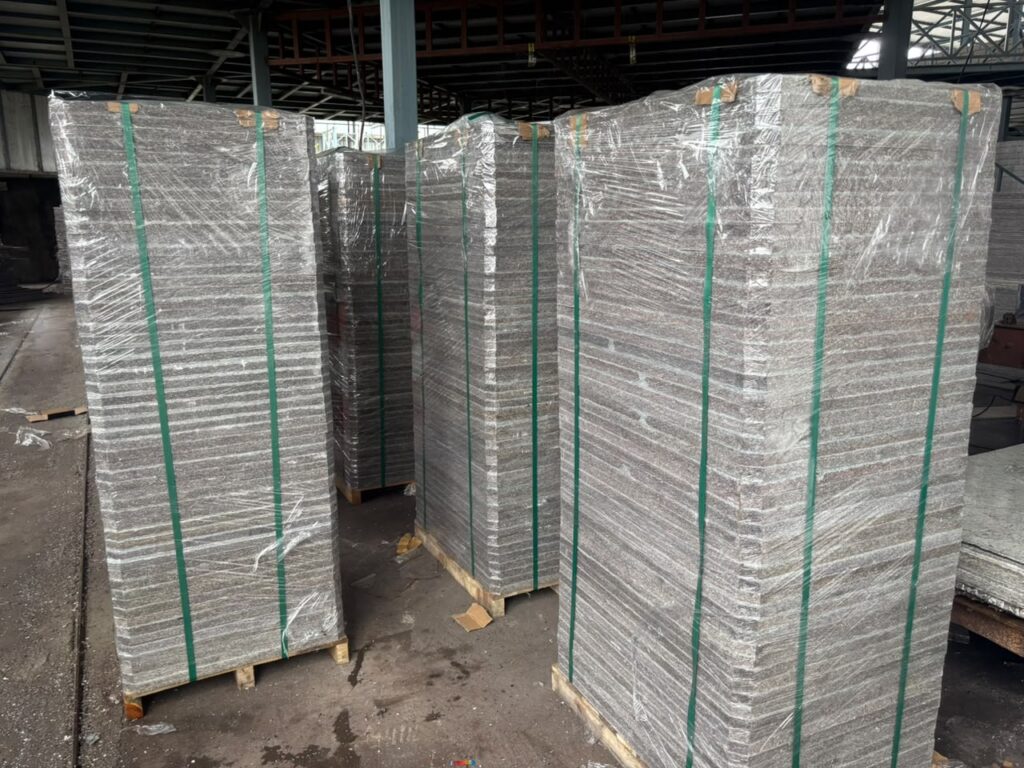
Rajratan Industries Private Limited manufactures PAC® (Plastic Aluminium Composite) Pallets designed for industrial applications, including fly ash brick manufacturing.
Along with different pallet grades for different machine requirements, Rajratan offers a 40% buyback replacement programme for eligible PAC® Pallets, subject to applicable terms and conditions.
In this guide, we explain how the programme works, what manufacturers should know about the replacement process, how the different pallet grades compare, and what to consider before investing in new pallets.
How Does the 40% Buyback Replacement Process Work?
The replacement process can be understood through four practical steps.
Step 1: Choose the Right PAC® Pallet Grade
Different brick-making machines require different pallet thicknesses and reinforcement structures.
For example, a vibrating table may require a different specification from a heavy-duty, multi-product vibro-press machine.
Before ordering, discuss your machine type, required dimensions, loading conditions, and production requirements with the manufacturer.
Step 2: Use the Pallets Under Normal Production Conditions
PAC® Pallets are designed for industrial applications where repeated handling, moisture exposure, and mechanical stress are important considerations.
Their actual service life depends on the selected grade, machine compatibility, operating conditions, and handling practices.
Inspect the boards periodically and follow the manufacturer’s recommendations for their use and maintenance.
Step 3: Contact Rajratan When Replacement Is Required
When your pallets reach the end of their useful service life, contact the Rajratan sales team to discuss replacement options.
Before arranging a return, confirm:
- Whether your pallets qualify for the programme.
- What product identification or purchase documentation is required.
- Whether damaged or broken boards are eligible.
- The method used to calculate the buyback value.
- The transportation and return procedure.
These checks help avoid confusion about eligibility and commercial terms.
Step 4: Confirm the Value Adjustment Against a New Order
Once the applicable terms and returned material have been assessed, the agreed buyback value can be addressed as part of the replacement purchase.
Request written confirmation of the approved credit and how it will be applied to your new order.
This makes it easier to calculate the actual cost of replacing your existing pallet stock.
Understanding PAC® Pallet Service Life
Rajratan’s PAC® Pallet range includes fibre-, metal-, and steel-reinforced grades. Each has different specifications and an indicative service-life range.
PAC® Pallet Grade | Indicative Service Life | Available Thickness |
Fibre-Reinforced | 3–4 years | 12 mm, 18 mm, 21 mm |
Metal-Reinforced | 5–6 years | 18 mm, 21 mm, 25 mm |
Steel-Reinforced | 7–8 years, potentially up to 10 years with proper handling | 25 mm, 30 mm |
These figures are indicative product specifications, not a guaranteed replacement schedule. Actual service life depends on machine compatibility, production intensity, loading, and handling.
The title of this guide refers to a 5–7-year replacement planning horizon, but manufacturers should not assume that every pallet will need replacement at the same interval. The appropriate timing depends on the selected grade and its actual condition.
Technical Specifications of Rajratan PAC® Pallet Grades
Understanding the differences between grades helps manufacturers select the appropriate board for their production requirements.
1. Fibre-Reinforced PAC® Pallet
The fibre grade uses a documented formulation of industrial mixed plastic, aluminium oxide, and cotton fibre.
- Composition: 65% mixed industrial plastic, 20% aluminium oxide, 15% cotton fibre.
- Density: 1.08 g/cm³.
- Thickness options: 12 mm, 18 mm, 21 mm.
- Indicative service life: 3–4 years.
- Intended applications: Suitable top-press hydro machines, vibrating tables, reflective pavers, and parking tiles.
This grade may be suitable for plants with compatible machine configurations and production requirements.
2. Metal-Reinforced PAC® Pallet
The metal grade incorporates industrial mixed plastic, aluminium oxide, and XLP metal reinforcement.
- Composition: 62% mixed industrial plastic, 23% aluminium oxide, 15% XLP metals.
- Density: 1.13 g/cm³.
- Thickness options: 18 mm, 21 mm, 25 mm.
- Indicative service life: 5–6 years.
- Intended applications: Compatible hydro-vibro machines, imported automated block plants, hollow blocks, and fly ash bricks.
The selected board thickness should match the machine’s requirements and operating conditions.
3. Steel-Reinforced PAC® Pallet
The steel grade incorporates the metal-grade composite formulation with an internal steel tube frame.
- Composition: Metal-grade composite with an internal steel tube frame.
- Frame specification: 12 mm diameter, approximately 2.5–3 mm wall thickness.
- Specified density: 1.13 g/cm³ for the composite grade, with the frame specified separately.
- Thickness options: 25 mm, 30 mm.
- Indicative service life: 7–8 years, potentially up to 10 years with proper handling.
- Intended applications: Compatible heavy-duty, multi-product vibro machines producing solid concrete blocks, kerbstones, and large pavers.
The steel-reinforced grade is intended for demanding applications, but the final selection should always be based on machine compatibility and verified specifications.
PAC® Pallets vs Plywood and Standard PVC Pallets
When comparing pallets, manufacturers should consider more than the initial purchase price.
Parameter | Plywood Pallet | Standard PVC Board | Rajratan PAC® Pallet |
Construction | Wood-based layers | Plastic board | Composite board with grade-specific reinforcement |
Moisture performance | May swell or delaminate | Depends on formulation | Designed for water-resistant industrial applications |
Mechanical performance | Depends on construction and condition | Depends on material quality | Depends on selected grade and application |
Service life | Depends on usage and environment | Depends on usage and formulation | Grade-dependent |
Replacement planning | Based on wear and deterioration | Based on wear and deterioration | Based on condition and applicable service-life expectations |
Buyback support | Depends on supplier | Depends on supplier | Eligible products may qualify under programme terms |
A useful comparison should account for the purchase price, expected service life, replacement frequency, transportation, and any applicable buyback adjustment.
How the Buyback Programme Can Affect Long-Term Costs
A pallet’s long-term cost is not determined by its initial price alone.
Manufacturers should consider the following:
- Initial investment in pallet stock.
- Expected service life under actual production conditions.
- Replacement and transportation expenses.
- Labour involved in handling damaged boards.
- Potential production interruptions.
- Any confirmed buyback credit towards a replacement purchase.
For example, if two pallet options have different service lives, their purchase prices should be compared over the same operating period. Any buyback credit should be included only after the calculation basis and eligibility have been confirmed.
This provides a more realistic assessment of total ownership cost than relying on a general claim about savings per brick.
Supporting Circular Material Use
A defined replacement programme can also create an opportunity to recover materials from used products.
PAC® Pallets are composite products, and their end-of-life processing depends on the material formulation and available recycling facilities.
A structured return arrangement can help direct eligible used products towards appropriate recovery processes rather than leaving their disposal entirely to individual plant operators.
The environmental benefits depend on actual collection, transportation, processing, and material recovery practices. Manufacturers should therefore distinguish the existence of a buyback programme from any specific environmental outcome that has not been independently verified.
How to Order and Test PAC® Pallets
Before placing a bulk order, manufacturers can discuss a trial batch with Rajratan, where available.
Recommended Ordering Process
- Share your machine details.
Provide the machine type, pallet dimensions, required thickness, and intended application.
- Confirm the product grade.
Discuss the fibre-, metal-, and steel-reinforced options with the sales team.
- Request a trial batch.
The supplied product information recommends starting with approximately 5–10 sheets to assess suitability under actual production conditions.
- Verify commercial terms.
Confirm the price, payment schedule, dispatch arrangements, and any applicable buyback terms in writing.
- Plan transportation.
Discuss the available delivery arrangements and freight charges with the sales team before dispatch.
Commercial Terms
The supplied company information describes the following standard terms:
- Advance payment: 30% to initiate production.
- Balance payment: 70% before dispatch.
- Customisation: Boards can be manufactured to agreed dimensions and thicknesses.
- Cash on Delivery: Not offered under the stated commercial policy.
- Shipping: Available through third-party transport partners, subject to order and destination.
Confirm the current terms with Rajratan before placing an order, as commercial policies and transport arrangements may change.
For product information, visit the official PAC® Pallet website.
Frequently Asked Questions
1. What is the Rajratan PAC® Pallet 40% buyback programme?
It is a replacement programme under which eligible PAC® Pallets can be returned for a value adjustment towards a new purchase, subject to the applicable terms and conditions.
2. Is the 40% buyback calculated on the original purchase price?
The calculation basis should be confirmed with Rajratan. The supplied material refers to a 40% credit associated with scrap value, so customers should not assume that the credit equals 40% of the original purchase price.
3. Can damaged or broken PAC® Pallets qualify?
The supplied company information states that damaged or broken original Rajratan PAC® Pallets may qualify. Confirm the current eligibility requirements, condition criteria, and documentation before arranging a return.
4. How long do Rajratan PAC® Pallets last?
The indicative service life ranges from 3–4 years for fibre-reinforced boards, 5–6 years for metal-reinforced boards, and approximately 7–8 years for steel-reinforced boards, potentially up to 10 years with proper handling.
5. Which PAC® Pallet grade should I choose?
The right grade depends on the machine type, required dimensions, loading conditions, and production application. Consult Rajratan before selecting a grade.
6. Is a trial order available?
The supplied product information recommends trial orders of approximately 5–10 sheets. Confirm current availability, pricing, and delivery arrangements with the sales team.
7. Where can I enquire about the buyback programme?
Visit pallets.rajratan.in or contact Rajratan at info@rajratan.in to discuss product specifications and the current buyback terms.
Conclusion
Managing pallet replacement costs is an important part of planning an efficient brick manufacturing operation.
Rajratan PAC® Pallets offer different reinforcement grades for compatible production applications, while the 40% buyback replacement programme provides eligible customers with an additional option to consider when planning future purchases.
Before investing, confirm the right pallet grade for your machine, review the technical specifications, and obtain written details of the buyback calculation and return conditions.
Planning to replace your existing brick pallets?
Contact Rajratan Industries Private Limited to explore PAC® Pallet options, discuss your production requirements, and understand the applicable 40% buyback replacement programme.
Explore the product range: https://pallets.rajratan.in
Email: info@rajratan.in
Phone: +91 9685927927
Rajratan PAC® — Designed for demanding industrial applications.
Recommended Internal Links
- Rajratan PAC® Pallets: https://pallets.rajratan.in
- PAC® Shuttering Boards: https://shutteringboard.rajratan.in
- Contact Rajratan: Link to the official contact page.