Table of Contents
ToggleFly Ash Brick Pallet Specifications: Engineered Strength, Zero Water Absorption & IS 16058 Certification
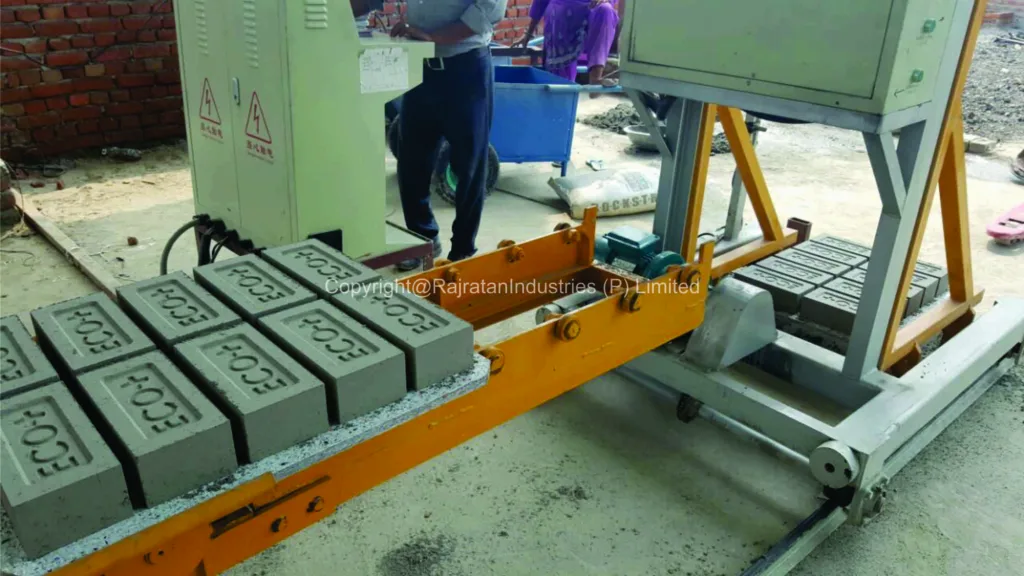
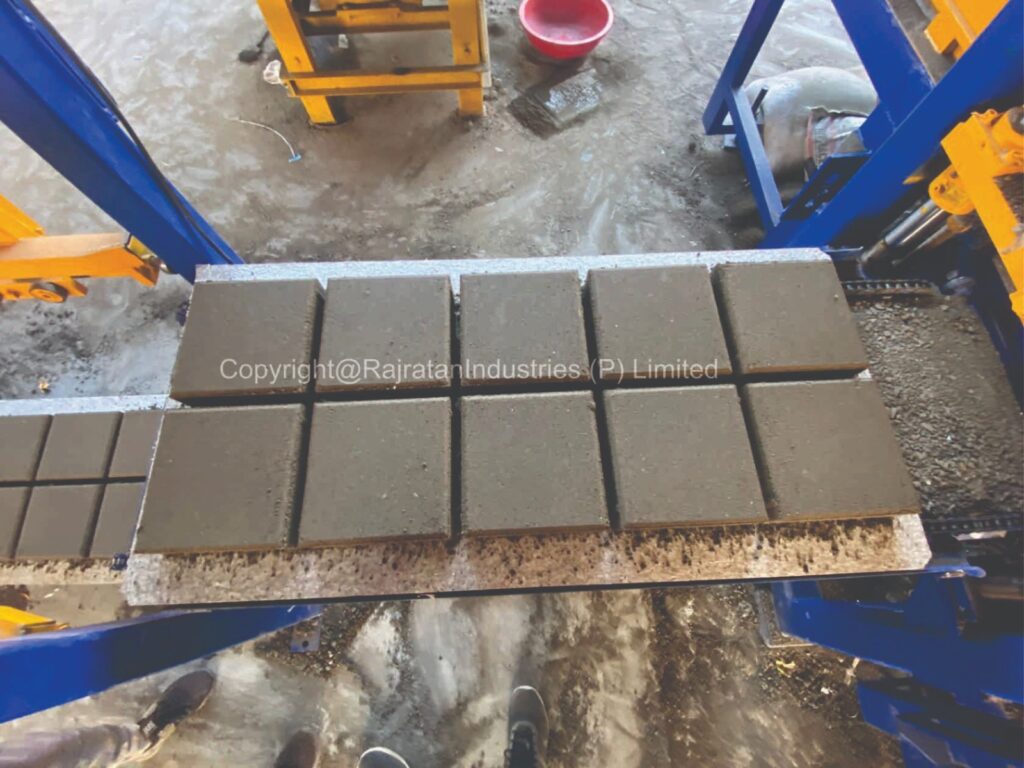
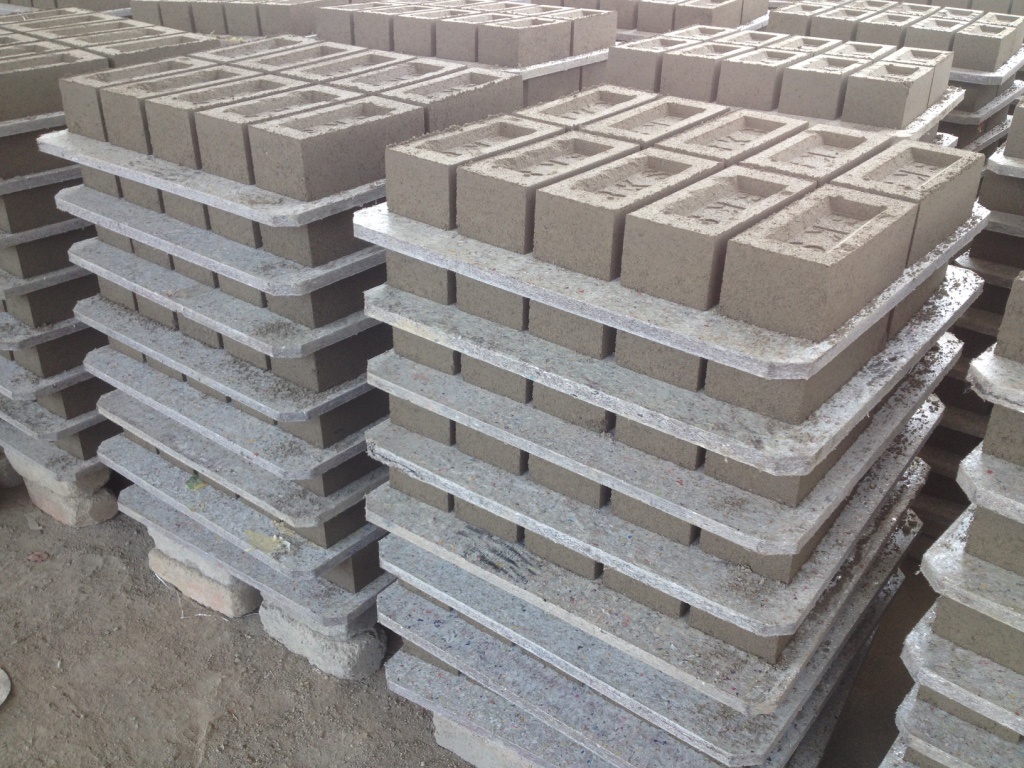
Direct Answer: PAC fly ash brick pallets, designed as a durable Composite Brick Pallet solution, deliver a certified compressive strength of 22.0 N/mm², a static load capacity of 7,500 kg, and a density of 1,135 kg/m³. NABL-accredited laboratory testing confirms zero water absorption, moisture content of 0.33–0.64%, and full BIS IS 16058:2024 compliance, making them a reliable alternative to timber and concrete for brick, block, and paver production.—
Core Mechanical Properties & Load Capacity
PAC fly ash brick pallets are engineered from 100% pure industrial packaging waste reinforced with XLP fiber, aluminum oxide, and metal dust powder. This composite structure delivers measurable performance metrics that exceed conventional timber, PVC, and concrete pallets.
| Specification | Value | Testing Standard | Advantage Over Alternatives |
|---|---|---|---|
| Compressive Strength | 22.0 N/mm² | IS: 1734 (Part 1-20) | Timber: 10–14 N/mm² (degrades with moisture). Concrete pallets: 25–30 N/mm² (but 3x heavier, brittle). |
| Density | 1135 kg/m³ | IS: 1734 (Part 1)-1983 | Timber swells/shrinks at 700–900 kg/m³. PAC locks in stability across temperature and humidity cycles. |
| Static Load Capacity (Max) | 7500 kg | Field-verified, STEDRANT lab validation | Wooden pallets: 3000–5000 kg (creep under sustained load). Poly pallets: 2000–3500 kg (deform in heat). |
| Moisture Content | 0.33%–0.64% | IS: 1734 (Part 1)-1983 | Timber: 12–18% (dimensional instability). PVC: 0.5–2% (but less dense, flexes under vibration). |
| Water Absorption | 0% (Zero Swelling) | IS: 1734 (Part 6)-1983 | Infinite submersion without delamination. Timber rots; poly tarpaulin traps moisture underneath. |
| Tensile Strength | 11.30–11.89 N/mm² | IS: 1734 (Part 9)-1983 | Prevents edge fracturing during extraction and handling cycles. |
| Modulus of Elasticity | 337.54 N/mm² | IS: 1734 (Part 11)-1983 | Stiffness under vibro-compaction prevents micro-cracking that cumulates over 40–100+ cycles. |
—
Vibration & Repetitive Load Durability
Brick, block, and paver production machinery applies repetitive vertical impact (600–1200 g acceleration) and horizontal shear stress during mold ejection. PAC pallets are specifically engineered to resist fatigue fracturing under these conditions.
Why PAC Excels: The reinforced XLP-metal dust composite absorbs shock energy without permanent deformation. Wooden pallets develop radial cracks after 20–30 cycles in high-vibration environments. Conventional PVC and poly pallets creep and lose flatness. PAC maintains surface flatness and structural integrity across 40–100+ production cycles before scrap value recovery.
—
Water Resistance & Dimensional Stability
Zero Water Absorption = Infinite Submersion Capability. PAC pallets are deployed in wet production environments (splash zones, steam-curing chambers, open godowns) without risk of swelling, delamination, or dimensional drift.
| Scenario | Wooden Pallets | PVC/Poly Alternatives | PAC Pallets |
|---|---|---|---|
| Steam Curing (90°C, 95% RH) | Swells 2–4%, causes mold misalignment, rework. | Softens, loses rigidity, surface warping. | 0% dimensional change. Certified thermal stability to 60°C + continuous steam exposure. |
| Submersion (e.g., wet brick stacking) | Absorbs 15–25% water weight, rots internally over months. | Tarpaulin traps moisture underneath. Poly pallets degrade from trapped water exposure. | Zero absorption. Can be fully submerged indefinitely without dimensional or structural change. |
| Open Godown Storage (rain exposure) | Bottom layer rots; grain/material caking occurs on moisture-logged floors. | Tarpaulin tears; moisture pools underneath. | Elevated 104–225 mm above floor per IS 16058 Type A/B. Zero water bridging = no caking, no pest harborage. |
| Freeze-Thaw Cycles | Water-logged wood cracks in winter. | Poly brittles in cold climates. | 0.33–0.64% moisture content prevents ice crystal formation. Certified to –5°C to +60°C operating range. |
—
BIS IS 16058:2024 Compliance & Laboratory Validation
PAC dunnage and fly-ash brick pallets are tested and certified under Bureau of Indian Standards IS 16058:2024, the mandatory specification for heavy-duty static storage pallets in godowns, warehouses, and agricultural facilities.
NABL-Accredited Testing (Choksi Laboratories, STEDRANT Technoclinic):
- Vertical Impact Drop Test: 1-meter drop from standard height — PAC pallets pass with zero cracking or structural damage.
- Corner Drop Test: Diagonal impact testing — diagonal deviation remains <40 mm (compliant), preventing pallet tip-over instability.
- 60 kg Hammer Impact Test: Simulates handling abuse in godowns — PAC passes with no cracking, deformation, or edge chipping.
- Static Load Capacity (Type A-1, Heavy-Duty): 500 kg/sq. ft. sustained load (7500 kg maximum per pallet) — PAC Type A-1 dimensions (1500×900×104 mm, 34 kg) fully certified.
—
Material Durability & Service Life Economics
A single PAC fly-ash brick pallet averages 3–8 years of operational service depending on production intensity and environmental exposure. The key economic advantage lies in the 40% scrap buyback credit program.
Lifecycle Cost Example (₹ per cycle):
- Wooden Pallet: ₹2,500 initial cost × 15 cycles (average) = ₹167/cycle. Post-failure disposal: scrap value ₹0 (rot-damaged wood).
- Low-Grade Plastic Pallet: ₹1,200 initial cost × 25 cycles = ₹48/cycle. Scrap value: ₹100 (5% recovery). Net cost: ₹43/cycle.
- PAC Pallet (Fibre Grade): ₹3,800 initial cost × 60+ cycles = ₹63/cycle. 40% scrap credit on final cycle = ₹1,520 credit toward next purchase. Effective net cost: ₹27/cycle (57% lower than timber).
—
Comparative Technical Analysis: PAC vs. Timber vs. Concrete
| Criterion | PAC Pallets | Wooden Pallets | Concrete Pallets |
|---|---|---|---|
| Compressive Strength | 22.0 N/mm² | 10–14 N/mm² (variable, moisture-dependent) | 25–35 N/mm² (but brittle, prone to corner chipping) |
| Water Absorption | 0% (infinite submersion safe) | 15–25% (rots, loses strength) | 3–8% (can cause freeze-thaw cracking) |
| Weight per Unit | 25–45 kg (nailable, screwable) | 30–50 kg (but degrades with use) | 80–120 kg (heavy, requires mechanical lifting) |
| Repeat Cycles (Typical) | 40–100+ (with 40% scrap recovery) | 10–20 (then disposal) | 5–15 (corners chip, becomes unsafe) |
| Thermal Stability | –5°C to +60°C, steam-curing certified | Swells/shrinks 2–4% with humidity | Stable but brittle in rapid temperature swings |
| Pest Resistance | 100% termite-proof (reinforced composite) | High termite/fungi risk (organic material) | Naturally pest-resistant but heavy |
| Nail/Screw Holding | 2214–2460 N (IS 1734 Part 19) | Variable; weakens with water exposure | Cannot be nailed/screwed (brittle fracture) |
| Cost Per Cycle (₹) | ₹27 (including 40% scrap credit) | ₹167 (no scrap recovery) | ₹400–₹600 (heavy disposal costs) |
| Environmental Impact | 22,000+ MT landfill diversion, zero new plastic | Deforestation, single-use, landfill end-of-life | High cement embodied carbon, non-recyclable |
—
Industry Applications & Real-World Deployment
Fly Ash Brick Production: PA
{
“@context”: “https://schema.org”,
“@type”: “FAQPage”,
“mainEntity”: [
{
“@type”: “Question”,
“name”: “What is the compressive strength of PAC fly ash brick pallets?”,
“acceptedAnswer”: {
“@type”: “Answer”,
“text”: “PAC fly ash brick pallets deliver 22.0 N/mm² compressive strength, verified by NABL-accredited Choksi Laboratories. This density (1135 kg/m³) prevents structural cracking under vibro-compaction machinery and supports static loads up to 7500 kg maximum, making them ideal for brick, block, and paver production.”
}
},
{
“@type”: “Question”,
“name”: “Are fly ash brick pallets waterproof?”,
“acceptedAnswer”: {
“@type”: “Answer”,
“text”: “Yes. PAC pallets have zero water absorption and can withstand infinite submersion without swelling or delamination. Moisture content remains 0.33–0.64%, eliminating the dimensional instability that plagues timber and low-grade plastic alternatives.”
}
},
{
“@type”: “Question”,
“name”: “Do PAC fly ash brick pallets comply with IS 16058?”,
“acceptedAnswer”: {
“@type”: “Answer”,
“text”: “Yes. PAC dunnage pallets are fully certified to BIS IS 16058:2024 for static load capacity (500 kg/sq. ft. for heavy-duty Type A-1), corner drop tests, and 60 kg hammer impact. STEDRANT and Choksi laboratory validations confirm structural integrity across all mechanical tests.”
}
},
{
“@type”: “Question”,
“name”: “What is the service life of a fly ash brick pallet?”,
“acceptedAnswer”: {
“@type”: “Answer”,
“text”: “PAC fly ash brick pallets deliver 3–8 years of service life depending on variant (fibre grade vs. steel-tube reinforced). After completing 40–100+ reuse cycles, they retain 40% scrap value, which Rajratan credits against new purchases, reducing net acquisition cost by 40%.”
}
},
{
“@type”: “Question”,
“name”: “How do PAC pallets compare to wooden and concrete alternatives?”,
“acceptedAnswer”: {
“@type”: “Answer”,
“text”: “PAC pallets outperform timber (zero swelling, infinite submersion capability) and concrete alternatives (lighter weight, nailable, screwable, reusable). Certified density of 1135 kg/m³ and 22.0 N/mm² compressive strength eliminate the progressive cracking and water absorption that limit competitor lifespan and repeat cycles.”
}
}
]