Brick Weight in KG: Complete Reference Chart for Indian Fly Ash & Clay Bricks
Accurate brick weight data is critical for construction planning, pallet selection, and logistics costing. This comprehensive reference guide provides verified weight specifications for standard Indian fly ash bricks, clay bricks, and paver blocks, while also explaining how a Plastic Composite Pallet can support efficient material handling and load planning—plus practical calculations for bulk shipments and transportation requirements.
Table of Contents
ToggleQuick Reference: Standard Brick Weights (KG)
| Brick Type | Dimensions (mm) | Weight (KG) | Common Applications |
|---|---|---|---|
| Fly Ash Brick (Standard) | 230 × 110 × 75 | 2.8–3.2 | Load-bearing walls, commercial projects |
| Fly Ash Brick (Heavy Duty) | 230 × 110 × 75 | 3.5–4.0 | Infrastructure, high-rise construction |
| Clay Brick (Burnt) | 230 × 110 × 75 | 3.5–4.2 | Residential, heritage structures |
| Paver Block (Interlocking) | 200 × 100 × 80 | 3.2–3.8 | Roads, parking, driveways |
| Hollow Concrete Block | 400 × 200 × 150 | 13–16 | Partition walls, load-bearing |
| Solid Concrete Block | 400 × 200 × 100 | 18–22 | Structural walls |
Material Density Comparison: Why It Matters for Your Project
Brick weight directly correlates to structural strength and durability. Here’s how common materials stack up:
- Fly Ash Bricks: Density 1.85–2.0 g/cm³. Superior compressive strength (90–150 N/mm²), lower water absorption (<12%), and consistent dimensional tolerance. Ideal for projects requiring precision and long-term durability.
- Clay Burnt Bricks: Density 1.75–1.95 g/cm³. Traditional choice with proven performance. Water absorption 12–15%. Higher density variants deliver excellent load-bearing capacity.
- Concrete Blocks: Density varies by grade (1.6–2.2 g/cm³). Lightweight variants for partition walls; dense grades for structural support.
- Paver Blocks: Density 2.1–2.4 g/cm³. High compressive strength (250+ N/mm²) ensures durability under traffic and environmental exposure.
How to Calculate Total Pallet Weight for Logistics & Shipping
Formula: (Number of Bricks) × (Single Brick Weight in KG) + (Pallet Weight) = Total Shipment Weight
Example Calculation:
- Bricks per standard pallet: 500–750 units (depending on brick type and stacking arrangement)
- Standard fly ash brick weight: 3.2 KG
- Total brick weight: 750 × 3.2 = 2,400 KG
- PAC® Pallet weight (heavy-duty composite): 55–75 KG (zero water absorption; maintains consistency across climate zones)
- Total pallet shipment weight: 2,475 KG
Logistics Advantages: Accurate pre-shipment weight calculations prevent overload penalties, optimize truck utilization, and enable precise freight cost forecasting. A single miscalculation can inflate logistics costs by 8–15% per shipment.
Why Pallet Material Matters: Impact on Shipping Costs
Your choice of pallet directly affects:
- Weight Per Pallet: Wooden pallets (80–120 KG) add 3–5% to shipment weight. PAC® Composite Pallets (55–75 KG) reduce total weight, lowering freight charges across bulk orders.
- Durability & Reusability: Wooden pallets degrade after 3–5 uses in humid climates; concrete bricks create moisture absorption issues. PAC® Pallets endure 10+ years with zero water absorption, delivering a 40% scrap value buyback—netting new pallet acquisition at 60% of original cost through material recycling credits.
- Handling & Stacking: Compromised pallets shift loads during transit, requiring costly re-strapping. PAC® Composite Pallets maintain dimensional stability under 500+ KG/sq. ft. static load, eliminating in-transit damage and reshipping fees.
- Climate Resilience: Standard wooden pallets warp in high-humidity storage zones (godowns, monsoon regions). This dimensional shift misaligns stacking patterns, reducing effective pallet utilization and forcing additional pallets per shipment—a hidden 12–18% cost multiplier. PAC® Pallets maintain zero swelling across Indian climate extremes.
PAC® Pallets: The Solution for Heavy Fly Ash Brick Loads
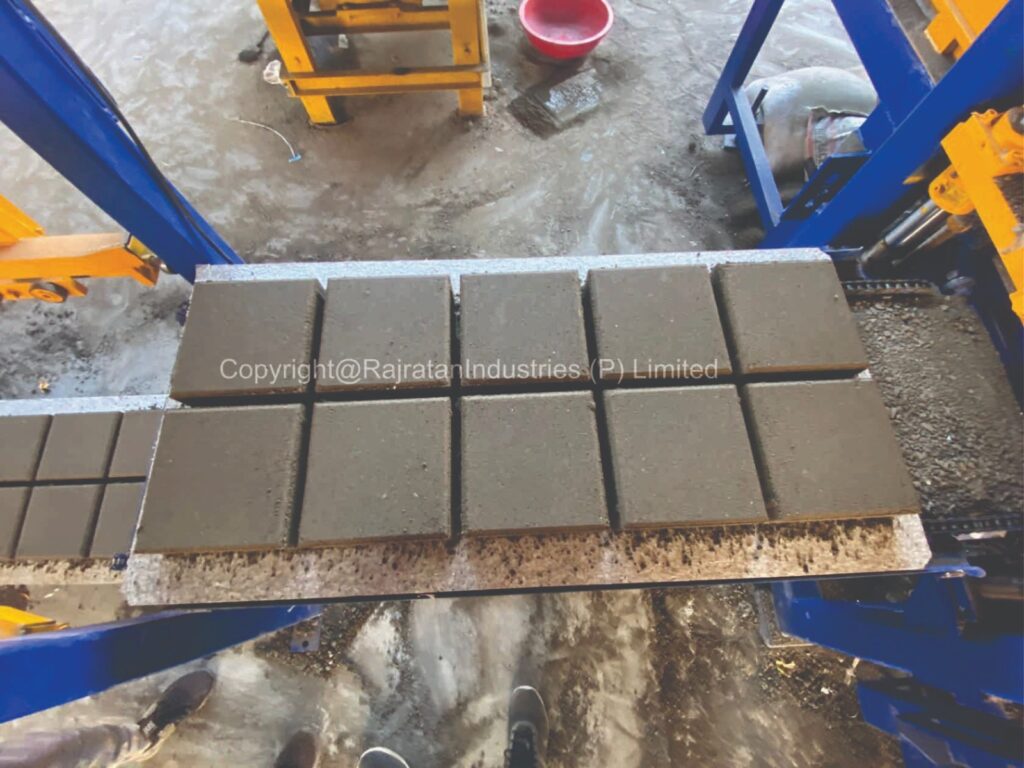
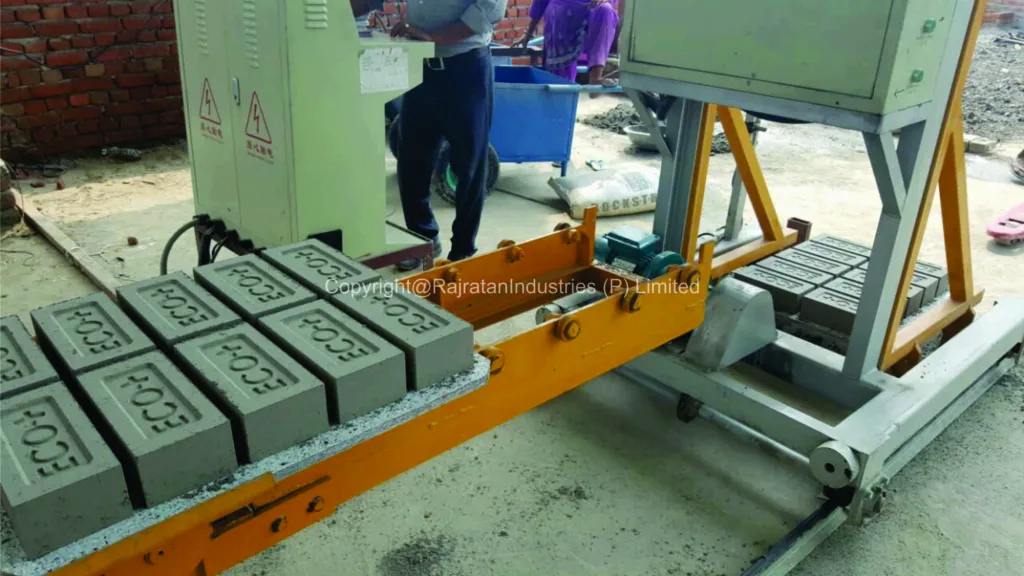
Fly ash brick production facilities face critical material-handling challenges: vibro-compaction machinery exerts 10+ tonnes of vertical force during the brick-making process. Standard wooden or low-grade plastic pallets crack, warp, or deform under this intensity, halting production and creating scrap loss.
PAC® Heavy-Duty Pallets are engineered specifically for this application:
- Material Specification: 100% reinforced industrial-grade composite (pure packaging waste + metal dust powder + XLP fiber + aluminum oxide reinforcement). Density: 1.13–1.15 g/cm³.
- Load Capacity: Endures 500+ KG/sq. ft. static load and full-cycle vibro-compaction without cracking, warping, or micro-fracturing.
- Service Life: 7–8 years in continuous brick-plant operation (3–4x longer than wooden alternatives).
- Zero Water Absorption: Maintains dimensional stability in wet-mix brick production environments and high-humidity godown storage.
- Cost Recovery: Returned pallets retain 40% scrap value, reducing net acquisition cost to 60% of initial purchase through buyback credit adjustment.
Real-World Impact: A 200-cavity brick plant processing 2,000 bricks/hour requires ~30 pallets in active rotation. Switching from wooden (rupture cycle: 4–6 months, ₹2,500/pallet replacement cost) to PAC® (cycle: 2–3 years) eliminates 15–20 pallet replacements annually, saving ₹37,500–₹50,000 per facility per year—plus eliminated downtime from mid-shift failures.
Free Shipping Weight Calculator: Get Accurate Logistics Costs Instantly
Calculate your exact shipping weight and freight costs in 60 seconds. Enter your brick type, quantity, and delivery region. Our calculator accounts for pallet weight, regional density variations, and freight surcharges—delivering precise quotes that eliminate surprise logistics overages.
Get Instant Access: Enter your email below to unlock the Free Shipping Weight Calculator + monthly logistics benchmarking reports (updated quarterly with seasonal freight rate trends for Indian regions).
Lead Gen CTA: [Email Capture Form: “Get Your Free Calculator + Logistics Guide”] — Triggers automated WhatsApp confirmation + PDF download link + Bulk Buyer Nurture Sequence (14-email sequence targeting procurement managers with case studies, cost-savings calculators, and seasonal buying guides).
Bulk Buyer Program: Save 10–15% on Pallet Costs
For facilities managing 50+ pallet replacements annually, our Bulk Buyer Program provides:
- Volume-tiered pricing (200+ pallets/year = guaranteed 10% discount)
- Dedicated logistics support (pre-arranged TCI Freight, VR Logistics scheduling)
- 40% scrap value recovery on returned pallets (automatic credit adjustment against future orders)
- Predictable replacement scheduling (eliminates last-minute emergency purchases at premium rates)
Request a custom quote: [CTA: “Get Bulk Buyer Pricing”]. Share your facility details (brick type, production volume, pallet rotation) and receive a personalized cost-savings analysis within 24 hours.