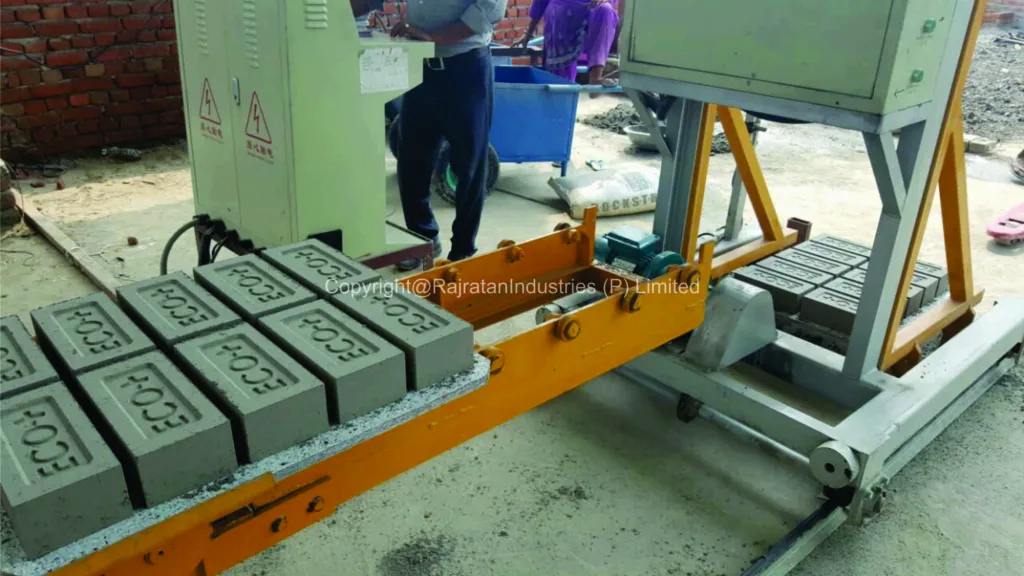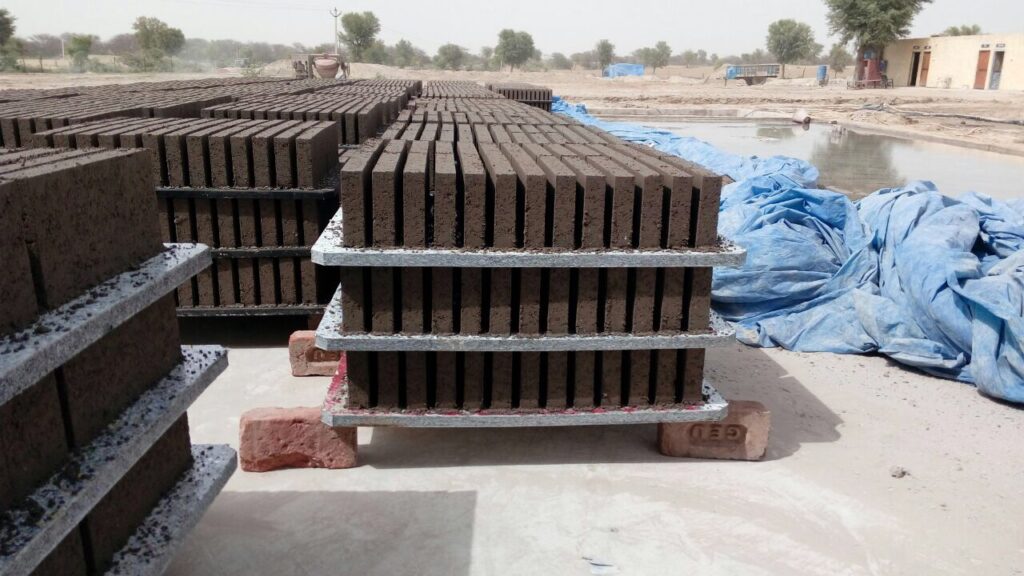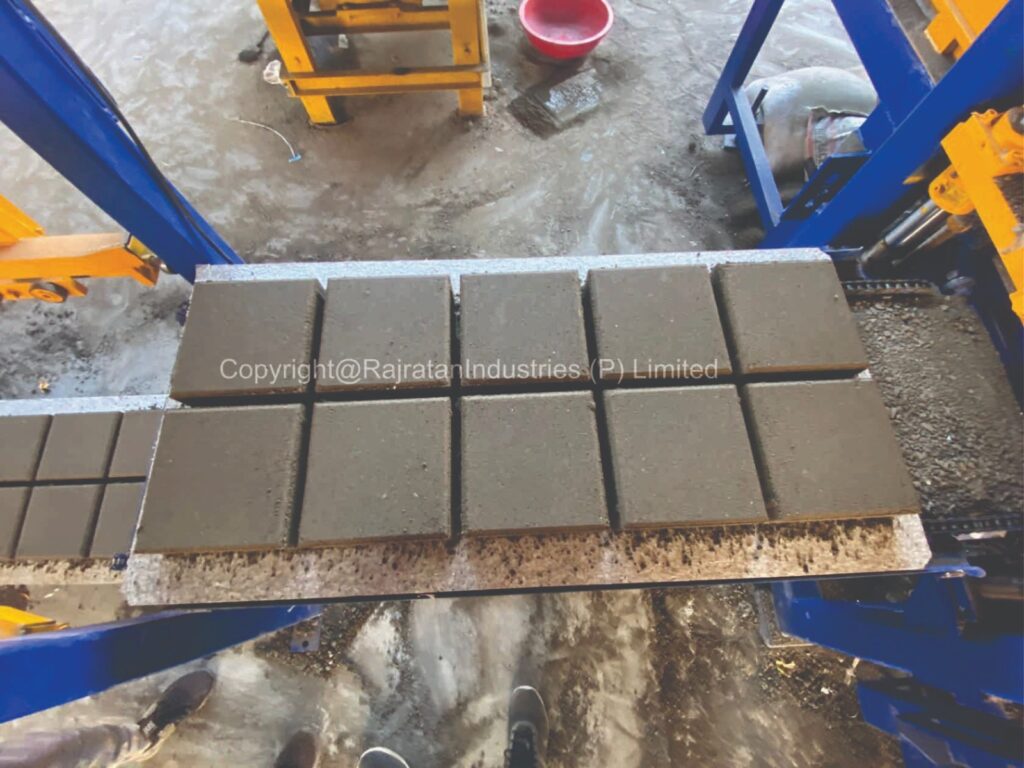
Understanding brick weight is critical for construction planning, transport logistics, and warehouse management. From individual brick specifications to full Concrete Brick Pallet load calculations, this comprehensive guide provides fast, accurate weight data—plus our interactive calculator to optimize your material handling strategy.
Table of Contents
ToggleStandard Brick Weights: Quick Reference
Brick weight varies significantly by material type and manufacturing process. Here are industry-standard weights you’ll encounter:
- Fly-Ash Bricks: 1.8–2.2 kg per unit (lightweight, ideal for high-rise construction, reduced structural load)
- Standard Clay Bricks: ~2.5 kg per unit (traditional, widely used in residential and commercial work)
- Concrete Blocks (8-inch): 10–18 kg per unit (dense, load-bearing applications)
- Paver Blocks: 3.5–5 kg per unit (decorative, durable surface finishes)
Interactive Brick Weight Calculator
Select your brick type below to instantly calculate individual weight, pallet requirements, and transport logistics:
Calculator Section: [Input Fields] Brick Type Selector → Weight Output → Pallet Quantity → Load Capacity Analysis
Example Calculations:
If you’re using fly-ash bricks at 2.0 kg each:
- 500 bricks = 1,000 kg (1 metric tonne)
- 2,500 bricks = 5,000 kg (5 metric tonnes)
- Full standard pallet (approximately 500–600 bricks) = 1,000–1,200 kg
If you’re using standard clay bricks at 2.5 kg each:
- 400 bricks = 1,000 kg (1 metric tonne)
- 2,000 bricks = 5,000 kg (5 metric tonnes)
- Full standard pallet (approximately 400–500 bricks) = 1,000–1,250 kg
The Wooden Pallet Problem: Why Your Current Setup Is Costing You
Standard wooden pallets weigh 20–30 kg and deteriorate rapidly under constant exposure to moisture, vibration, and heavy loading:
- Average wooden pallet: 20–30 kg
- Service life under industrial use: 6–18 months
- Water absorption: Yes (leads to rot, mold, and structural weakness)
- Replacement frequency: Multiple times per production cycle
- Hidden costs: Increased freight weight, disposal fees, environmental liability
Real cost per use: A wooden pallet rated for 500 kg static load that fails after 3–5 industrial applications costs you ₹150–200+ per application when accounting for replacement and downtime.
PAC® Metal Grade Dunnage Pallets: The Industrial Alternative
Our PAC® Metal Grade pallet is engineered specifically for high-volume brick, block, and paver production environments. Here’s how it outperforms wooden alternatives:
| Specification | Wooden Pallet | PAC® Metal Grade (BIS IS 16058) |
|---|---|---|
| Weight | 20–30 kg | 28 kg |
| Static Load Capacity | 500 kg (degrades quickly) | 500 kg/sq. ft. (certified, stable) |
| Water Absorption | Yes (rots internally) | Zero (100% waterproof) |
| Service Life | 6–18 months | 10+ years (industrial grade) |
| Vibration Resistance | Cracks under compaction machinery | Reinforced with metal dust; zero cracking |
| Moisture Damage Risk | High (fungal growth, weakness) | None (impervious to moisture) |
| BIS Certification | Not applicable | BIS IS 16058:2024 certified |
| Cost Per Use (10-year amortization) | ₹150–200+ per application | ₹8–12 per application |
Pallet Load Capacity Calculator
Calculate your maximum safe load and optimal pallet configuration:
Input: Brick type → Brick quantity per pallet → Total weight → PAC® pallet load recommendation
Example Load Scenario (Fly-Ash Bricks at 2.0 kg):
- Standard pallet surface: 1.2m × 1.0m (1.2 sq. m.)
- Safe static load: 500 kg/sq. ft. = 5,382 kg total capacity
- Bricks at 2.0 kg each: Maximum 2,691 bricks per pallet
- Actual working load (safety factor 80%): 2,152 bricks = 4,304 kg
- Our PAC® pallet weight: 28 kg
- Net freight weight per pallet: 4,332 kg (vs. 4,320 kg on wooden pallet + 20 kg dead weight = 4,340 kg)
Shipping & Transport Cost Calculator
Freight costs escalate with total weight. Use this tool to estimate transport expenses:
Input: Distance (km) → Pallet quantity → Freight rate per ton → Total transport cost
Standard Transport Rates (India):
- Part-load (1–5 pallets): ₹15–22 per kg
- Full truck (20–25 pallets): ₹8–12 per kg
- Long-haul consolidation (500+ pallets): ₹5–8 per kg
Cost Comparison Example (500 bricks, fly-ash):
- Wooden pallet load: 1,020 kg → Transport cost (part-load): ₹15,300–22,440
- PAC® pallet load: 1,028 kg → Transport cost (part-load): ₹15,420–22,616
- Net difference: Negligible (+₹120) — but you gain 10+ years of service life
Material Handling Best Practices
Stacking & Storage:
- Maximum safe stacking height (wooden pallets): 3–4 layers (structural integrity degrades with height)
- Maximum safe stacking height (PAC® pallets): 6–8 layers (metal-reinforced stability)
- Storage environment: Indoor warehouses with <80% humidity (wooden pallets warp above this threshold)
- PAC® pallets: Waterproof; suitable for outdoor covered storage without degradation
Machinery Compatibility:
- Vibro-compaction machines (brick/paver production): PAC® pallets withstand 5,000+ operating hours without cracking
- Wooden pallets: Expect splintering, warping, and replacement cycles every 2–3 months
FAQs: Brick Weight & Pallet Selection
Q: Why do fly-ash bricks weigh less than clay bricks?
A: Fly-ash is a waste byproduct from coal-fired power plants. Its cellular structure creates micro-voids, reducing density while maintaining compressive strength. A standard fly-ash brick (1.8–2.2 kg) delivers the same load-bearing capacity as a heavier clay brick (2.5 kg), making it ideal for high-rise structures where reducing dead load is critical.
Q: What’s the difference between static and dynamic load capacity?
A: Static load is weight at rest (warehousing, stacking). Dynamic load includes vibration and impact (brick machines, material handling equipment). PAC® pallets are rated for both—critical for production environments. Wooden pallets degrade rapidly under dynamic loads and should never be used with vibro-compaction machinery.
Q: How does water absorption affect pallet longevity?
A: Wooden pallets absorb moisture, swell, and lose structural integrity. Prolonged exposure causes fungal growth, internal rot, and splintering. PAC® pallets are 100% waterproof with zero absorption. This extends service life from 6–18 months (wood) to 10+ years (PAC®).
Q: Can I calculate transport cost per brick?
A: Yes. Divide total freight cost by total brick quantity. For fly-ash bricks at 2.0 kg each with part-load transport (₹15/kg), cost per brick = 2.0 kg × ₹15 / kg = ₹30 per brick in freight alone. Full-truck consolidation drops this to ₹10–16 per brick.
Q: Is BIS IS 16058 certification required?
A: BIS IS 16058 is mandatory for food grain storage (FCI godowns, PACS cooperatives, certified seed storage) and recommended for all agricultural and industrial warehousing. For applications that also require durable material handling, a Construction Brick Pallet can provide a practical solution where strength and dimensional stability are important. Non-certified pallets may violate food safety regulations. PAC® pallets meet all IS 16058 requirements: 500 kg/sq. ft. static load, corner drop tests, impact resistance, and dimensional stability.