Table of Contents
ToggleIntroduction
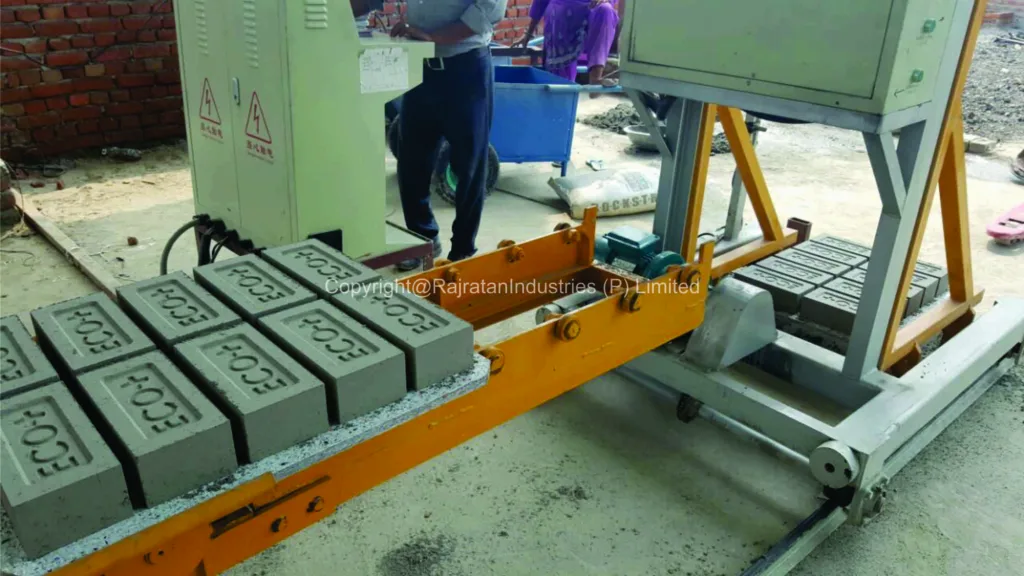
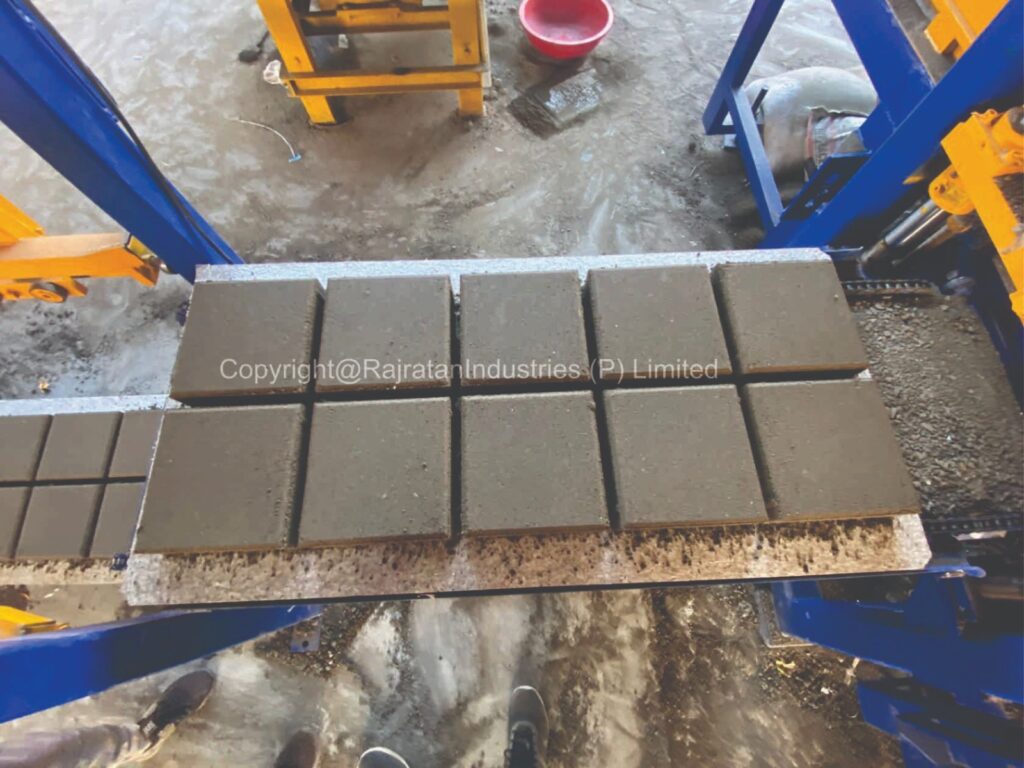
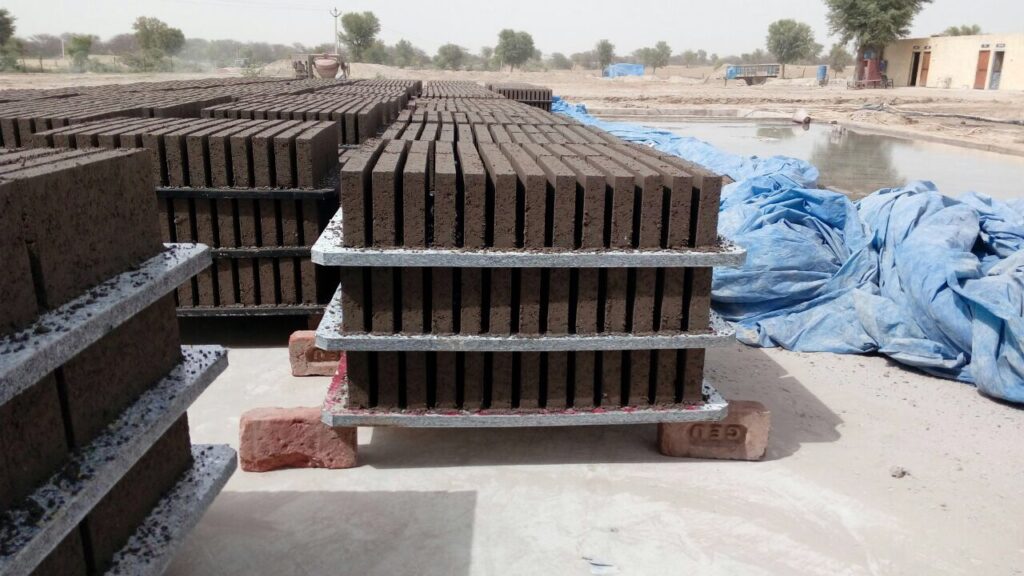
In fly ash brick and concrete block manufacturing, pallets are exposed to repeated vibration, mechanical pressure, handling, and moisture. Choosing the right pallet material is essential for maintaining production consistency and managing replacement costs.
Traditional plywood boards can swell, delaminate, or deteriorate under prolonged moisture exposure. Other plastic boards may not provide the reinforcement required for a particular machine or application.
This is why material composition matters.
Rajratan Industries Private Limited manufactures PAC® (Plastic Aluminium Composite) boards designed for industrial applications, including fly ash brick pallets. Their construction combines industrial polymer materials with mineral and structural reinforcement, depending on the selected grade.
But what makes these composite boards different from conventional alternatives?
In this blog, we explore the role of PP, LDPE, HDPE, aluminium oxide, and reinforcement materials in PAC® Pallet construction, along with the available grades and factors to consider before purchasing.
Understanding the Core Polymer Blend: PP, LDPE and HDPE
Industrial plastic materials have different physical and processing properties. Their selection and combination influence the characteristics of the finished composite product.
Rajratan PAC® products use industrial polymers such as polypropylene (PP), low-density polyethylene (LDPE), and high-density polyethylene (HDPE), according to the applicable formulation.
1. Polypropylene (PP)
Polypropylene is a thermoplastic polymer commonly used in industrial products.
Its relevant characteristics include stiffness, relatively low density, and resistance to many chemicals. These properties can make it a useful component in composite formulations where dimensional stability and mechanical performance matter.
In a composite board, its contribution depends on the overall formulation and manufacturing process.
2. High-Density Polyethylene (HDPE)
HDPE is known for its strength-to-density characteristics, moisture resistance, and toughness.
In industrial applications, it can contribute to the mechanical properties of a polymer blend. Its performance under load also depends on factors such as temperature, board geometry, reinforcement, and processing quality.
For brick manufacturing, the finished board must be evaluated under the actual machine and loading conditions.
3. Low-Density Polyethylene (LDPE)
LDPE is generally more flexible than HDPE and is widely used in applications requiring flexibility and impact resistance.
In a polymer blend, its characteristics can influence the balance between stiffness and flexibility. However, the final performance depends on the proportions of the materials and the composite structure.
Why Combine Different Polymers?
Using more than one polymer can help manufacturers develop a material formulation suited to a particular application.
Rather than evaluating a pallet by one material name alone, manufacturers should consider the complete formulation, board density, reinforcement, thickness, and machine compatibility.
The objective is to select a composite board that meets the demands of the intended production environment.
Why Is Aluminium Oxide Used in PAC® Pallets?
Aluminium oxide, also known as alumina, is a hard ceramic material used in a variety of industrial applications.
In composite formulations, mineral fillers can influence properties such as stiffness, surface characteristics, and dimensional behaviour. Their effect depends on particle characteristics, concentration, distribution, and compatibility with the polymer matrix.
For PAC® Pallets, aluminium oxide is one of the materials specified in the documented product formulations.
Its contribution should be understood as part of the complete composite construction rather than as a standalone guarantee of performance.
When evaluating an industrial pallet, manufacturers should look at the finished board’s specifications and test results, not just the presence of a particular ingredient.
Fibre, Metal and Steel Reinforcement: Choosing the Right Grade
Different brick-making machines place different demands on their pallets. A suitable grade for a vibrating table may not be the same as one required for a heavy-duty multi-product vibro-press.
Rajratan PAC® Pallets are available in three reinforcement grades designed for different applications.
|
Technical Feature |
Fibre-Reinforced Grade |
Metal-Reinforced Grade |
Steel-Reinforced Grade |
|
Documented composition |
65% mixed plastic, 20% aluminium oxide, 15% cotton fibre |
62% mixed plastic, 23% aluminium oxide, 15% XLP metals |
Metal-grade composition with internal steel tube frame |
|
Specified density |
1.08 g/cm³ |
1.13 g/cm³ |
1.13 g/cm³, excluding any separately specified frame contribution |
|
Available thickness |
12, 18, 21 mm |
18, 21, 25 mm |
25, 30 mm |
|
Indicative service life |
3–4 years |
5–6 years |
7–10 years |
|
Intended machine applications |
Suitable top-press hydro machines and vibrating tables |
Compatible imported vibro and hydro-vibro machines |
Compatible heavy-duty multi-product vibro machines |
Service life is indicative and depends on machine compatibility, loading, handling, and actual operating conditions. Confirm the current specifications with Rajratan before ordering.
1. Fibre-Reinforced PAC® Board
The fibre-reinforced grade uses a documented formulation of mixed industrial plastics, aluminium oxide, and cotton fibre.
It is intended for suitable top-press hydraulic machines and vibrating table systems.
Manufacturers producing fly ash bricks, reflective pavers, and parking tiles can discuss this grade with the supplier to determine whether it matches their equipment and production requirements.
2. Metal-Reinforced PAC® Board
The metal-reinforced grade incorporates a higher specified aluminium oxide proportion and XLP metal reinforcement.
Its documented density is 1.13 g/cm³, with thickness options of 18 mm, 21 mm, and 25 mm.
This grade is intended for compatible imported vibro machines and hydro-vibro systems used in applications such as fly ash bricks, hollow blocks, and pavers.
3. Steel-Reinforced PAC® Board
The steel-reinforced grade combines the metal-reinforced composite formulation with an internal steel tube frame.
The documented frame specification is a 12 mm diameter tube with a wall thickness of approximately 2.5–3 mm.
It is intended for compatible heavy-duty, multi-product vibro-press machines manufacturing solid concrete blocks, kerb stones, and other demanding products.
The suitable grade and thickness should always be confirmed against the machine manufacturer’s requirements.
PAC® Pallets vs Plywood and Standard PVC Boards
The right comparison goes beyond the initial purchase price. Manufacturers should consider moisture exposure, structural requirements, service life, and replacement frequency.
|
Feature |
Plywood Pallet |
Standard PVC Board |
PAC® Pallet |
|
Moisture performance |
May absorb moisture and deteriorate |
Depends on formulation |
Designed for water-resistant industrial use |
|
Structural construction |
Wood-based layers |
Depends on board construction |
Composite material with grade-specific reinforcement |
|
Mechanical performance |
Depends on thickness and condition |
Depends on formulation and reinforcement |
Depends on selected grade and application |
|
Thickness options |
Product-dependent |
Product-dependent |
Multiple documented thickness options |
|
Replacement planning |
Based on wear and moisture damage |
Based on wear and structural condition |
Based on grade, usage, and operating conditions |
|
Buyback programme |
Depends on supplier |
Depends on supplier |
Eligible products may qualify under Rajratan’s applicable programme terms |
Why Does Material Selection Affect Production?
A pallet that loses its stability or develops damage may affect handling and production consistency. Replacing damaged boards can also introduce additional labour, transportation, and material costs.
Selecting an appropriate composite pallet can help manufacturers plan for their actual operating conditions.
However, no material should be assumed to be suitable for every machine. Product specifications, testing, and compatibility remain important parts of the purchasing decision.
Understanding the Long-Term Cost of PAC® Pallets
The lowest upfront price does not necessarily mean the lowest total cost.
When comparing plywood, standard PVC, and PAC® Pallets, consider the following:
- Initial purchase price.
- Expected service life under actual operating conditions.
- Frequency and cost of replacement.
- Labour and transportation requirements.
- Production interruptions associated with damaged boards.
- Any applicable buyback or replacement benefits.
For example, a board with a higher initial cost may offer better long-term value if it remains suitable for use over more production cycles.
The correct comparison should use actual purchase prices, verified service-life data, and operating costs from your plant rather than relying on general estimates.
How Rajratan’s 40% Buyback Programme Can Support Replacement Planning
Industrial pallets eventually reach the end of their useful service life. What happens next is an important consideration when planning replacements.
Rajratan offers a 40% buyback replacement programme for eligible PAC® Pallets, subject to applicable terms and conditions.
The programme can provide a defined route for eligible used pallets to be returned for a value adjustment against a new purchase.
Before placing an order, confirm the following in writing:
- Which PAC® Pallet grades qualify.
- How the buyback value is calculated.
- The condition in which used pallets can be returned.
- Transportation and return arrangements.
- How the adjustment is applied to a replacement order.
Understanding these conditions helps manufacturers account for the programme accurately when evaluating total ownership costs.
How to Test and Order PAC® Pallets for Your Plant
Before committing to a bulk order, consider evaluating a sample batch on your production line, where available.
Step 1: Confirm Machine Compatibility
Share your machine type, required pallet dimensions, and operating conditions with the manufacturer.
Step 2: Select the Appropriate Grade
Discuss fibre, metal, and steel-reinforced options based on the application and required board thickness.
Step 3: Review the Technical Specifications
Request documentation covering density, dimensions, material formulation, and applicable service terms.
Step 4: Evaluate a Trial Batch
Assess the pallets under normal production conditions. Monitor handling, surface condition, brick release, and dimensional consistency.
Step 5: Confirm Commercial Terms
Before confirming an order, obtain written details of pricing, payment terms, dispatch arrangements, and any applicable buyback programme.
For current product details and enquiries, visit the official Rajratan PAC Pallet website.
Frequently Asked Questions
1. What materials are used in Rajratan PAC® Pallets?
The documented product formulations include industrial polymers such as PP, LDPE, and HDPE, along with aluminium oxide and grade-specific reinforcement materials such as cotton fibre, XLP metals, or an internal steel frame.
2. What is the role of aluminium oxide in a PAC® Pallet?
Aluminium oxide is a hard ceramic material used in the composite formulation. Mineral fillers can influence stiffness and surface characteristics, depending on the formulation and manufacturing process.
3. What is the difference between fibre-, metal-, and steel-reinforced PAC® Pallets?
The grades differ in their documented reinforcement construction, available thicknesses, and intended applications. The appropriate option depends on the machine type and operating requirements.
4. Can PAC® Pallets be used on every brick-making machine?
No single grade should be assumed to suit every machine. Compatibility depends on the machine design, required dimensions, loading, vibration, and selected board specifications.
5. How long does a PAC® Pallet last?
The documented indicative service life ranges from 3–4 years for the fibre-reinforced grade, 5–6 years for the metal-reinforced grade, and 7–10 years for the steel-reinforced grade. Actual results depend on operating conditions.
6. Does Rajratan offer a buyback programme?
Rajratan offers a 40% buyback replacement programme for eligible PAC® Pallets, subject to applicable terms and conditions. Contact the company to confirm the current eligibility and calculation method.
7. Where can I enquire about Rajratan PAC® Pallets?
Visit pallets.rajratan.in or email info@rajratan.in to discuss product specifications and machine requirements.
Conclusion
The performance of an industrial composite pallet depends on more than the type of plastic used. Polymer selection, mineral fillers, reinforcement, board thickness, and manufacturing consistency all contribute to the finished product.
Rajratan PAC® Pallets offer different reinforcement options for compatible fly ash brick and concrete block manufacturing applications.
For plant owners, the best approach is to understand the machine requirements, compare the available grades, verify the technical specifications, and evaluate long-term operating costs before purchasing.
Looking for the right PAC® Pallet for your brick manufacturing plant?
Contact Rajratan Industries Private Limited to discuss your machine requirements, explore the available grades, and learn about the applicable 40% buyback replacement programme.
Explore the product range: https://pallets.rajratan.in
Email: info@rajratan.in
Rajratan PAC® — Engineered for demanding industrial applications.
Recommended Internal Links
- Rajratan PAC® Pallets: https://pallets.rajratan.in
- PAC® Shuttering Boards: https://shutteringboard.rajratan.in
- Contact Rajratan: Link to the official contact page.